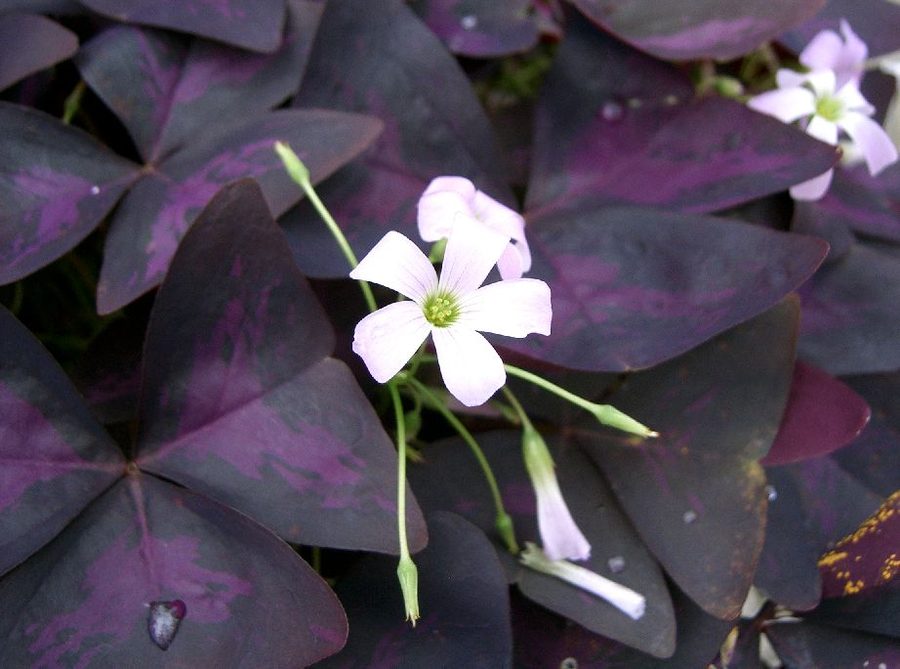
The Purple Shamrock is grown for its dramatic deep-purple, triangular leaflets that fold up like tiny umbrellas at night and reopen by day, a bold colour accent for an open terrarium or dish garden.
Light
It needs plenty of bright, indirect light to keep its rich purple colour; in low light it grows leggy and dull. This light requirement is the main reason it suits open, well-lit setups over dim sealed jars.
Water & humidity
Water when the top half of the substrate has dried, then water thoroughly. It grows from small bulbs and dislikes constantly wet feet, so good drainage matters.
In the terrarium
Best treated as an open-terrarium or dish-garden plant. It enjoys some humidity but not the stagnant, saturated air of a sealed vessel, and it periodically goes dormant, which fits an open arrangement far better.
Origin & temperature
Oxalis triangularis originates in Brazil, growing from small bulbs and dying back to rest during dry or cool spells.
Temperature: 15–24 °C, with a natural dormancy period. Pet safety: toxic, it contains soluble calcium oxalates and can harm cats, dogs and horses if eaten.
Propagation
Easy by division of the bulbs: tip the plant out, separate the small bulbs and replant them in fresh mix. Dividing during or just after dormancy works best.
Common problems
- Leggy, greenish leaves = not enough light; move somewhere brighter.
- Sudden die-back = usually natural dormancy (reduce water and wait) rather than a problem.
Good companions
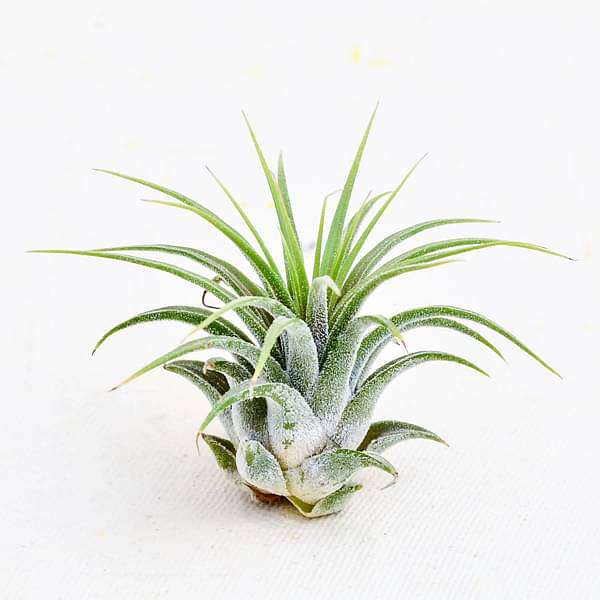
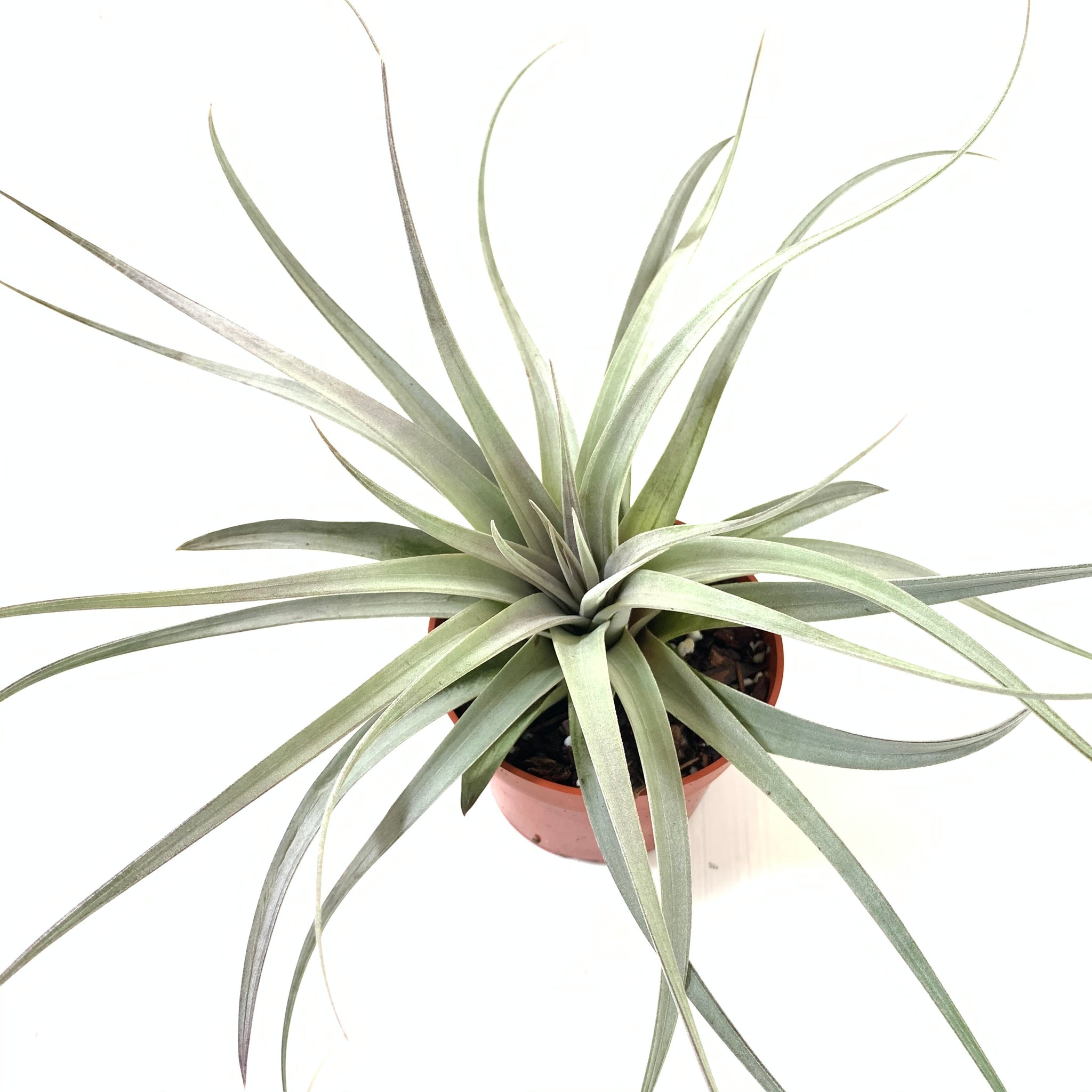
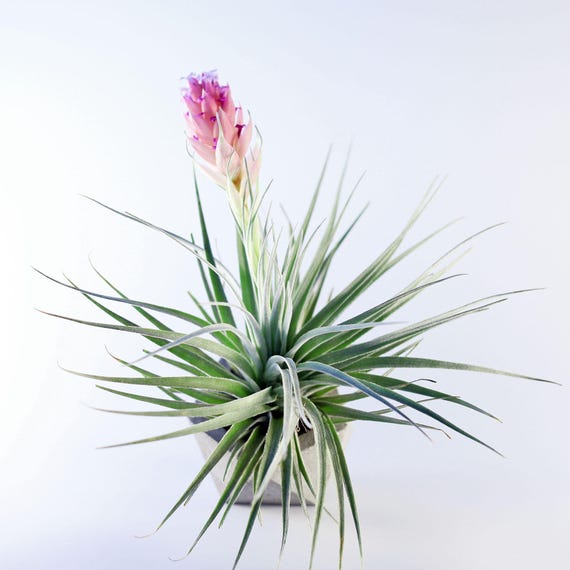
Purple Shamrock pairs well with plants that want the same conditions, an open, bright, low-humidity setup (a succulent or air-plant terrarium). Here are some species that thrive alongside it:
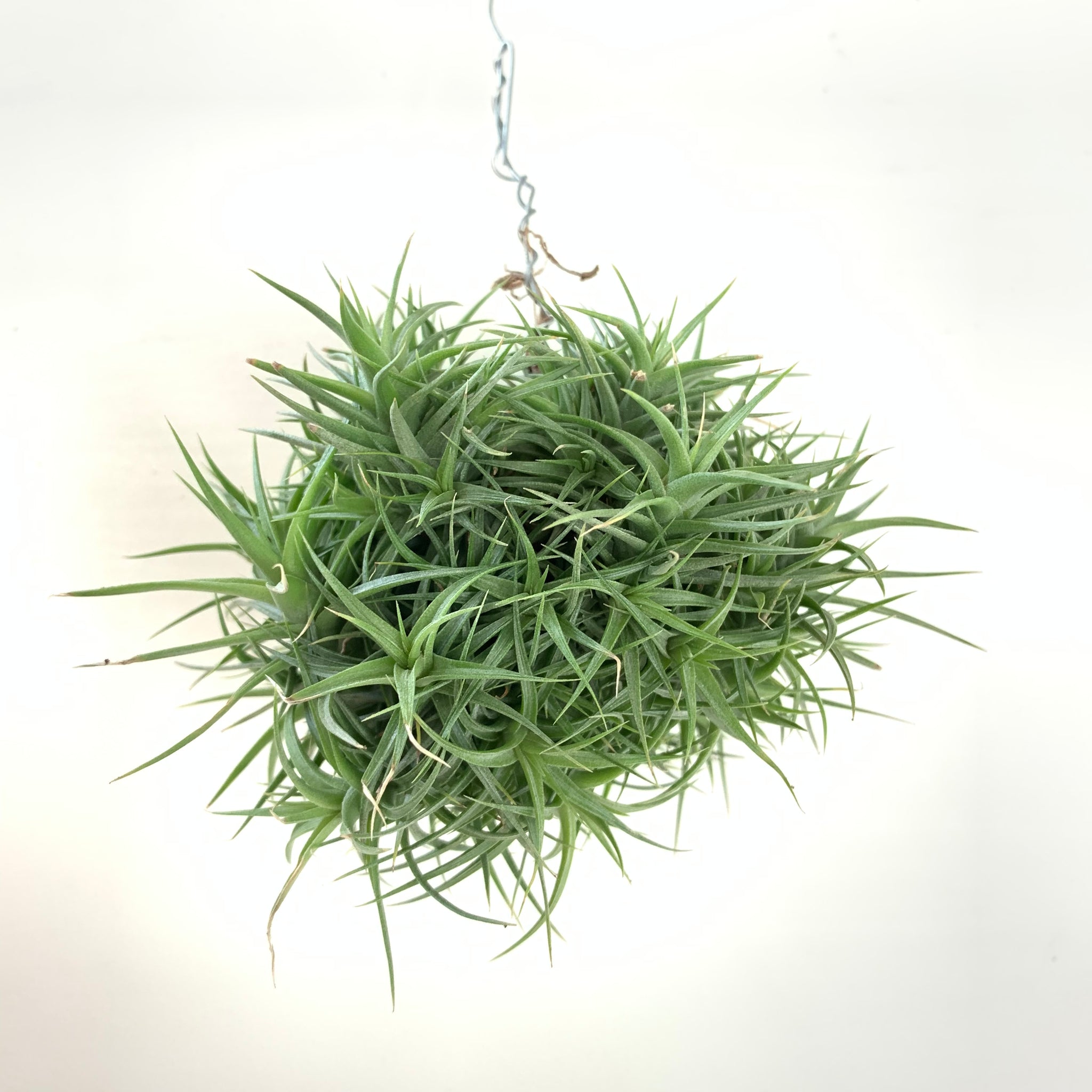
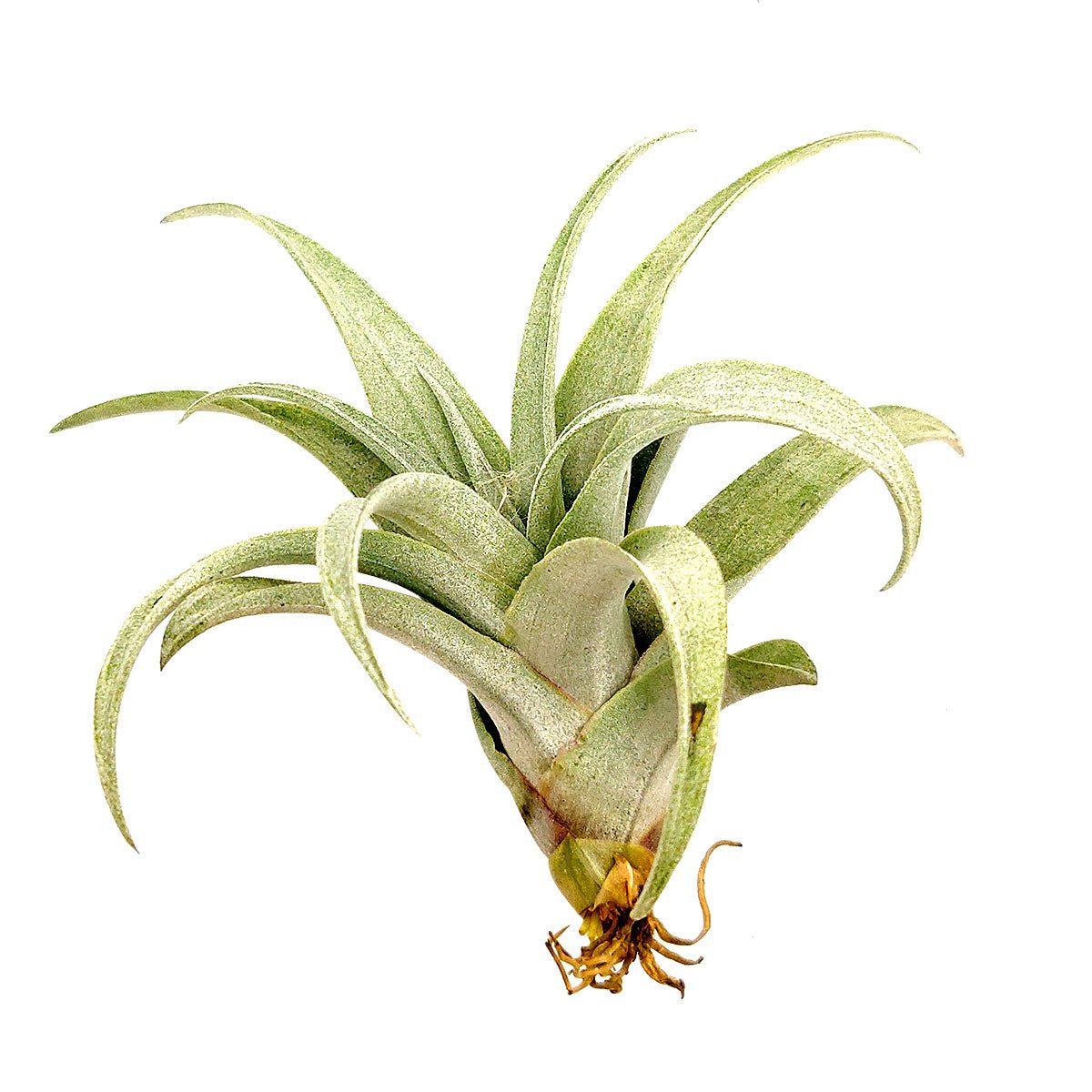
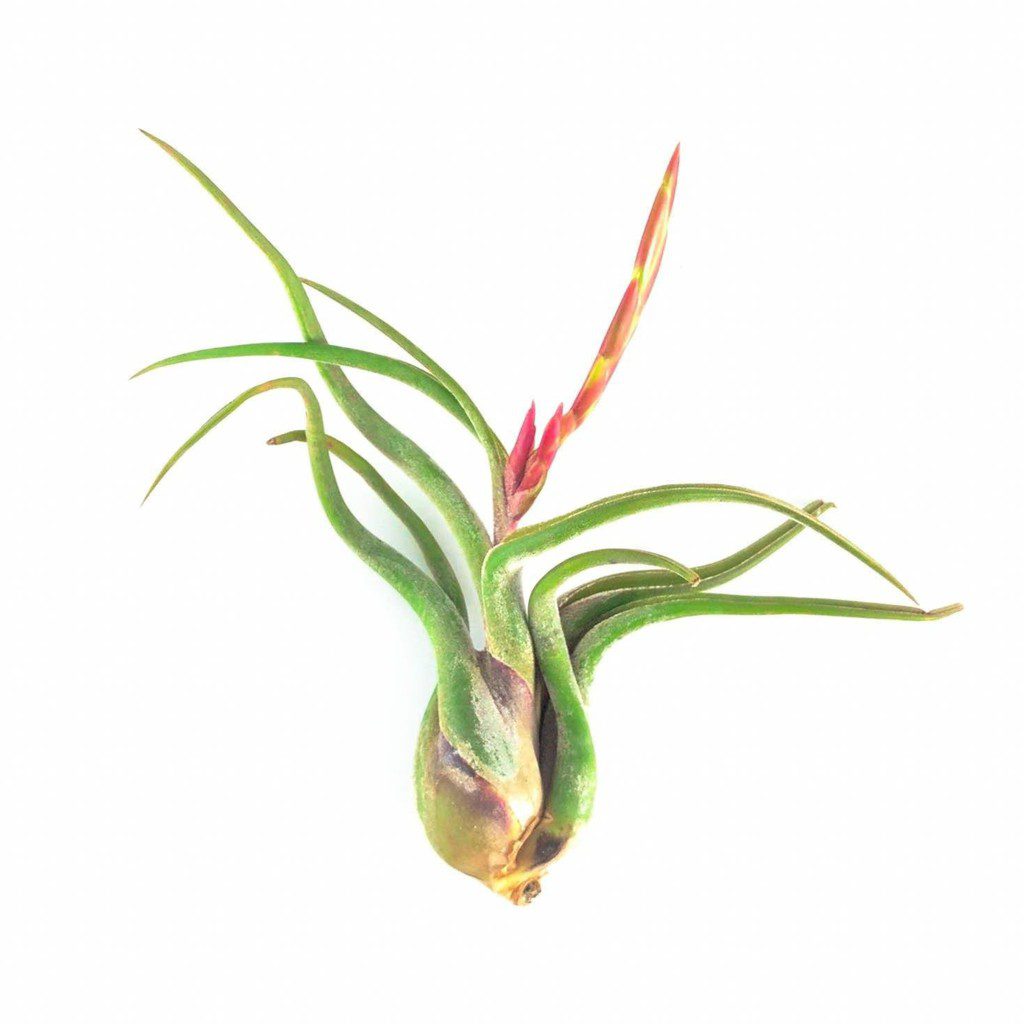
→ Explore more matches with our Plant Pairing Tool.


Frequently asked questions
Can I grow Purple Shamrock in a closed terrarium?
Not really, it needs bright light and good airflow, and it goes dormant periodically. It's much better suited to an open terrarium or a dish garden.
Is Oxalis triangularis toxic?
Yes, it contains soluble calcium oxalates and is toxic to cats, dogs and horses if eaten, so keep it away from pets.
Care information is a general guide; conditions vary. Some links on this site are affiliate links that help support Terrarium Creations.