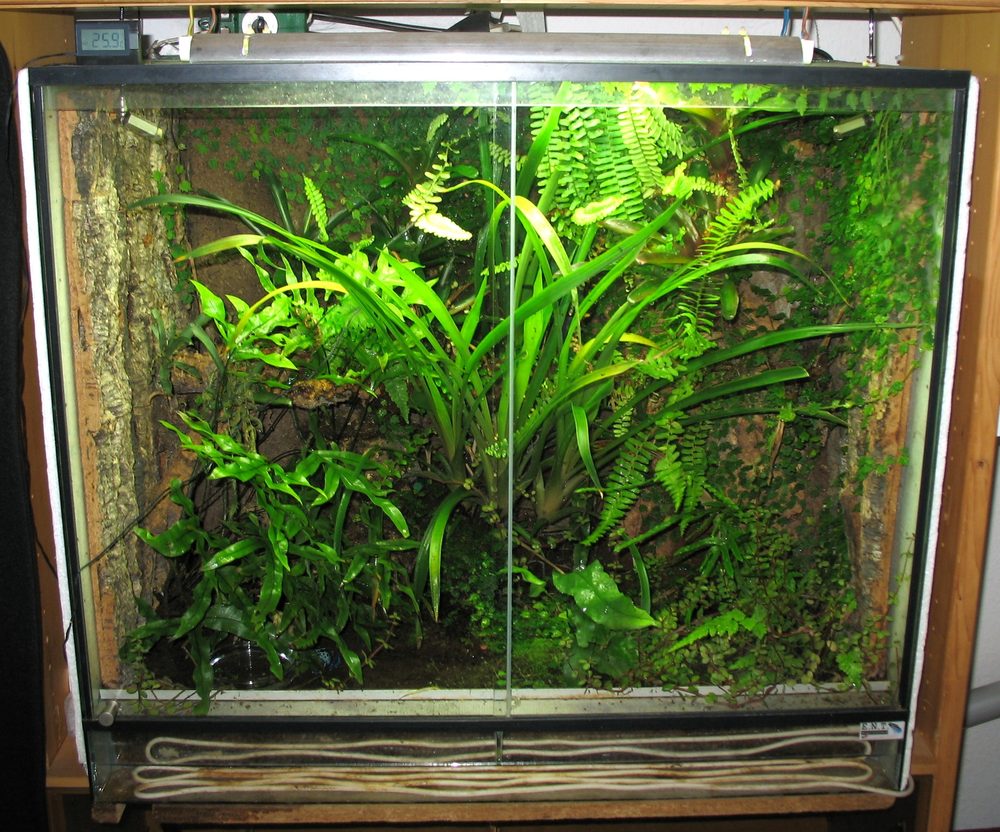
If your terrarium looks a little sad, don't panic, and definitely don't throw it out. The overwhelming majority of terrarium problems come down to just two culprits: too much water and too much light. Learn to read the signs and you can fix almost anything. Here are the most common problems, what causes them, and exactly what to do.
First, the two golden rules
Before the specific fixes, keep these in mind, they prevent most issues in the first place:
- Bright, indirect light only. Direct sun turns a sealed jar into an oven and fuels algae. A bright spot away from the sun's direct path is ideal.
- Start dry, add water slowly. In a closed terrarium water has nowhere to go. You can always add a mist; you can't easily take moisture out. When in doubt, wait.
For the full routine, see our terrarium care guide. Now, the problems.
Common problems & their fixes
White or fuzzy mould
Cause: excess moisture plus decaying organic matter and low airflow. A little white mould in a brand-new build is normal as wood and leaf litter break down.
Fix: remove any affected material, open the lid for a few hours to dry things out, and cut back on water. The long-term solution is a cleanup crew, springtails eat mould and prevent it coming back.
Heavy, permanent condensation (foggy glass)
Cause: too much water sealed inside. Light condensation that clears during the day is healthy; a permanently drenched jar you can't see into is not.
Fix: take the lid off for a few hours (or a day) to let excess moisture escape, then reseal. Repeat until the glass only lightly fogs and clears each day. Learn to read it in our guide to terrarium humidity control.
Yellowing leaves
Cause: most often too much light, or roots sitting in waterlogged substrate.
Fix: move the terrarium out of direct sun to bright, indirect light, and check the drainage layer isn't overflowing into the soil. Trim yellow leaves so the plant can redirect energy.
Mushy, rotting stems
Cause: the substrate is waterlogged and roots are drowning.
Fix: vent the terrarium open for a day or two to dry it back, remove rotted material, and hold off watering. A proper drainage layer prevents this from the start.
Tiny flies (fungus gnats)
Cause: overly wet substrate, where gnat larvae feed on fungus and decaying matter.
Fix: let the substrate dry back slightly and improve airflow. A healthy springtail colony outcompetes gnats for food, and a sticky trap clears the adults.
Green algae on the glass
Cause: too much light plus moisture, algae loves both.
Fix: reduce light exposure and gently wipe the inside of the glass. Algae is unsightly but rarely harms your plants; less light slows it right down.
A bad, swampy smell
Cause: something is rotting faster than the ecosystem can process it, often from overwatering or no charcoal layer.
Fix: remove decaying matter, vent to dry it out, and make sure you have a layer of activated charcoal to keep things fresh.
A simple recovery kit
- Long tweezers (to remove debris) Shop →
- Spray mister (light watering only) Shop →
- Springtails (natural mould control) Shop →
- Activated charcoal Learn more →
Starting fresh?
Get the foundations right the first time with our complete step-by-step build guide.
How to Make a Closed Terrarium


Frequently asked questions
Why is my terrarium growing mould?
Excess moisture plus decaying matter and low airflow. Remove affected material, vent to dry it, cut back on water, and add springtails, they eat mould naturally.
Why is my terrarium so foggy?
Too much water inside. Open the lid for a few hours to release moisture, then reseal. Light condensation that clears during the day is healthy.
Why are my plants turning yellow?
Usually too much light or waterlogged soil. Move to bright, indirect light and check the substrate isn't sitting in water.
How do I get rid of algae?
Reduce light and wipe the glass. Algae is driven by light plus moisture and is unsightly but rarely harmful.
Some links in this article are affiliate links. If you buy through them we may earn a small commission at no extra cost to you, it helps keep Terrarium Creations growing. We only recommend products we'd use ourselves.