A terrarium is a self-contained world under glass, so what better test of that idea than sending one to the Moon? That's exactly what an Australian start-up is doing, and it's one of the most exciting terrarium stories going.
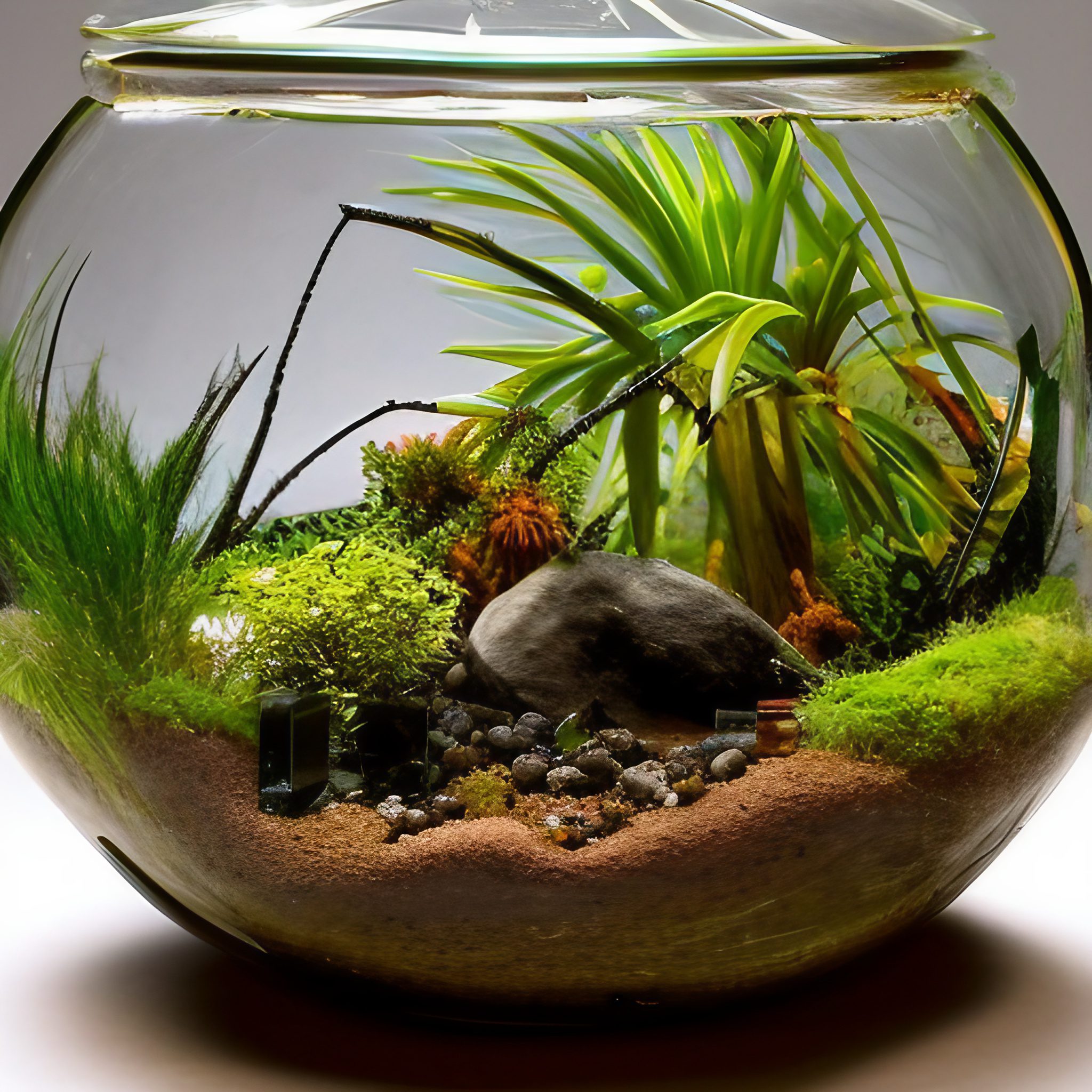
The ALEPH mission
Canberra start-up Lunaria One is leading ALEPH the Australian Lunar Experiment Promoting Horticulture, working with ANU, RMIT and QUT. The plan is to land a small, sealed, air-filled chamber of plant seeds and lichen on the lunar surface and monitor whether they sprout, transmitting data back over roughly a 72-hour window.
A terrarium, essentially
The payload is tiny, the whole experiment must weigh under 500 grams and it's riding on Intuitive Machines' lunar lander. In principle it's a terrarium: a sealed environment carrying its own air and moisture so life can survive somewhere it otherwise couldn't. The mission, backed by $3.6 million from the Australian Space Agency's Moon to Mars initiative, is an early step toward growing food, medicine and oxygen for future lunar bases, and school students worldwide will get to help analyse the results.
Grow your own (earthbound) ecosystem
You don't need a rocket to experiment with a sealed living world. A closed terrarium on your shelf runs the same water and gas cycles in miniature, our closed terrarium guide shows you how, or plan one with the terrarium builder.
Frequently asked questions
Can plants really grow on the Moon? That's what ALEPH aims to find out, earlier experiments have sprouted seeds in lunar soil on Earth, but growing them on the Moon's surface is the next frontier.
Is a terrarium like a space habitat? Conceptually, yes, both are sealed systems that recycle air and water to sustain life in a closed space.




Some links in this article are affiliate links. If you buy through them we may earn a small commission at no extra cost to you, it helps keep Terrarium Creations growing.