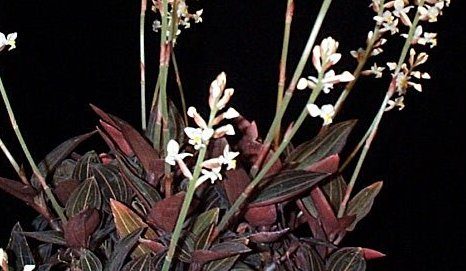
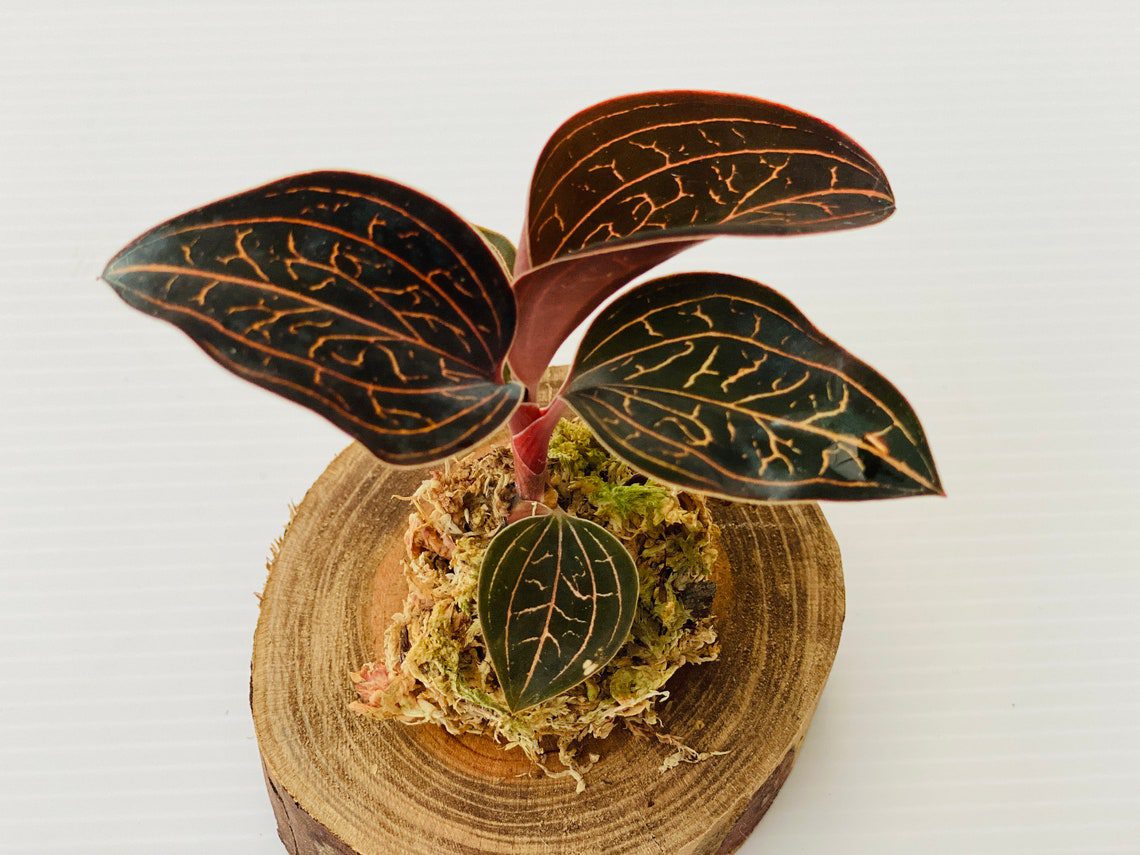
Unlike showy orchids grown for their flowers, the Black Jewel Orchid is prized for its foliage, velvety, near-black leaves veined with fine copper-pink lines. It's the easiest jewel orchid and a superb terrarium plant.
Light
Low to moderate, indirect light mimics its shaded forest-floor home. Bright, filtered light is fine, but direct sun scorches the leaves and dulls their velvety sheen.
Water & humidity
Keep the substrate evenly moist but never waterlogged, watering when the top centimetre feels dry. It's sensitive to salts, so use rainwater, distilled or filtered water where possible.
In the terrarium
A terrarium star: it's a terrestrial creeper that loves the steady high humidity of a closed build, where its dark, iridescent foliage provides rich contrast. It also produces spikes of small white flowers, a bonus on top of the foliage.
Origin & temperature
Ludisia discolor grows across Southeast Asia, from southern China through Indonesia, as a terrestrial orchid of the warm, shaded forest floor.
Temperature: 18–27 °C, and never below about 13 °C. Pet safety: orchids, including jewel orchids, are generally considered non-toxic to pets.
Propagation
Wonderfully easy for an orchid: take stem cuttings with a few nodes and lay or plant them in damp substrate, where they root readily. It also spreads naturally as its creeping stems root along the surface.
Common problems
- Scorched, faded leaves = too much direct light; move it to a shadier spot.
- Leaf-tip burn = mineral build-up from hard tap water; switch to rain or filtered water.
Good companions
Black Jewel Orchid pairs well with plants that want the same conditions, a humid, closed terrarium with bright, indirect light. Here are some species that thrive alongside it:
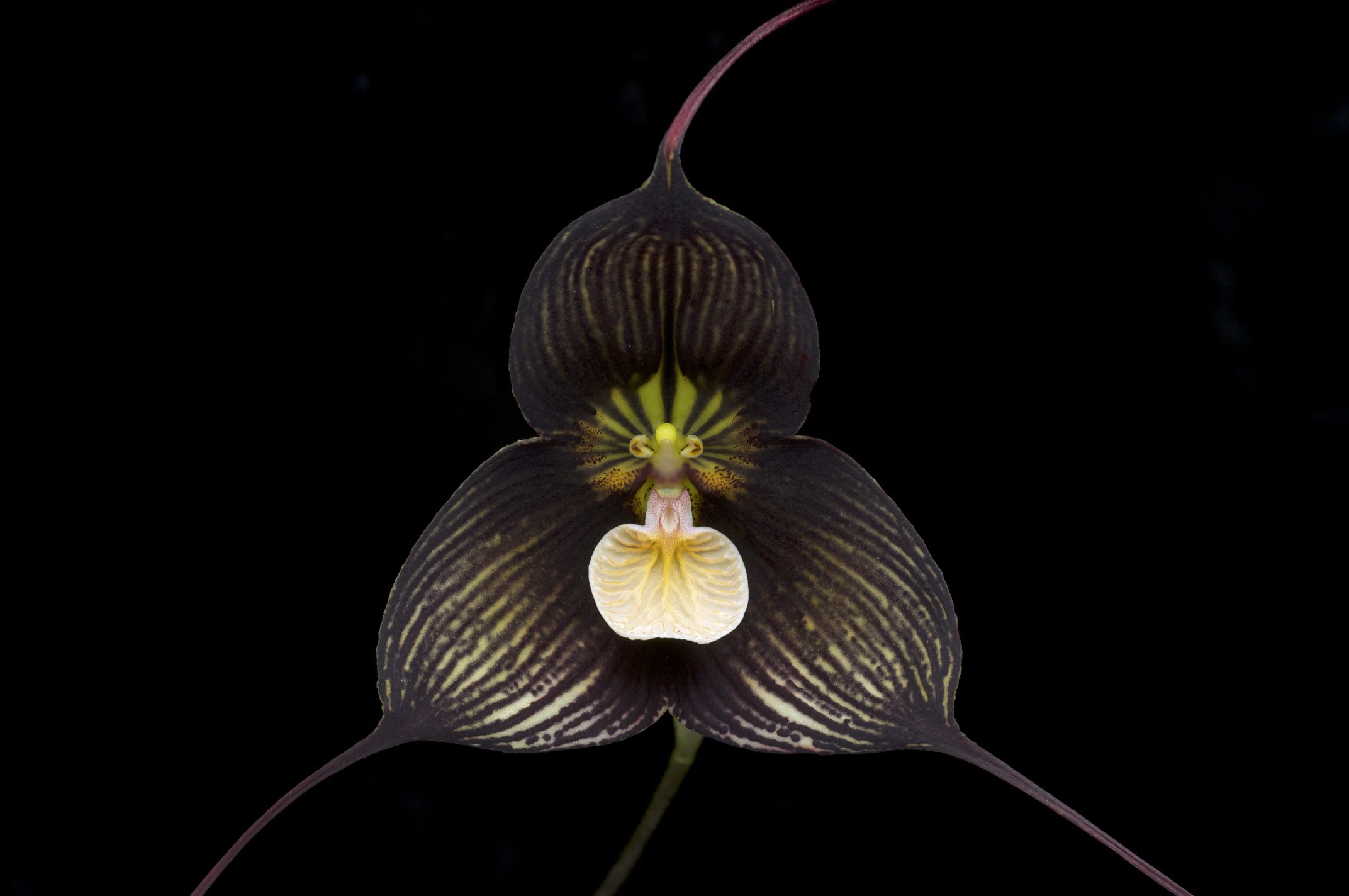
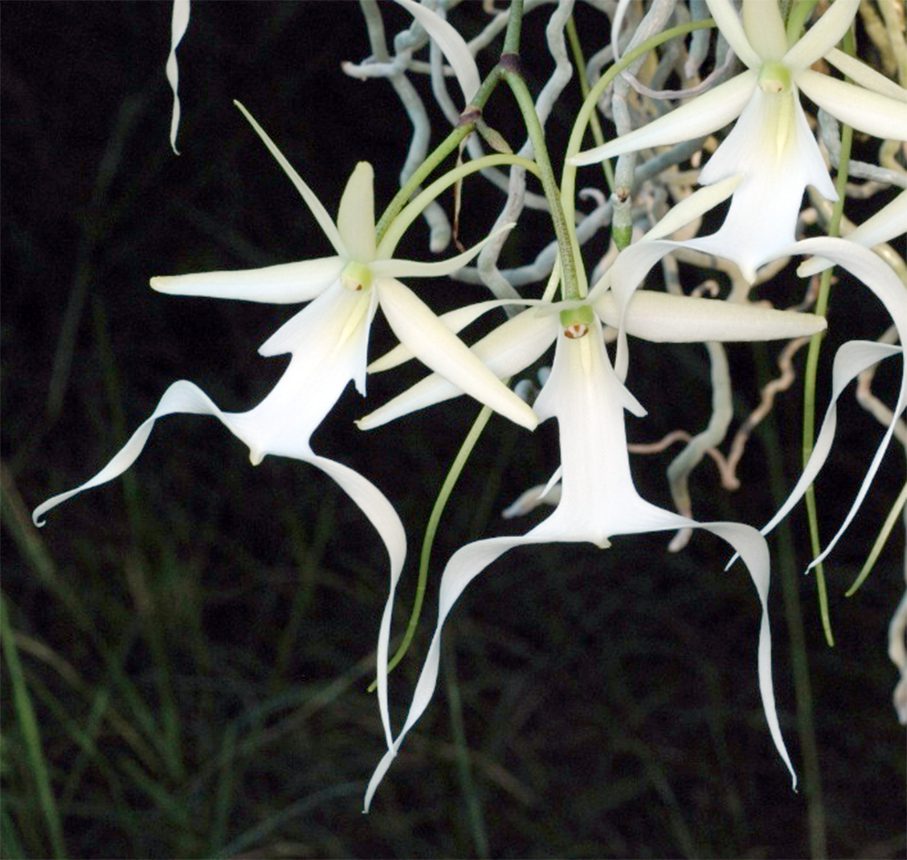
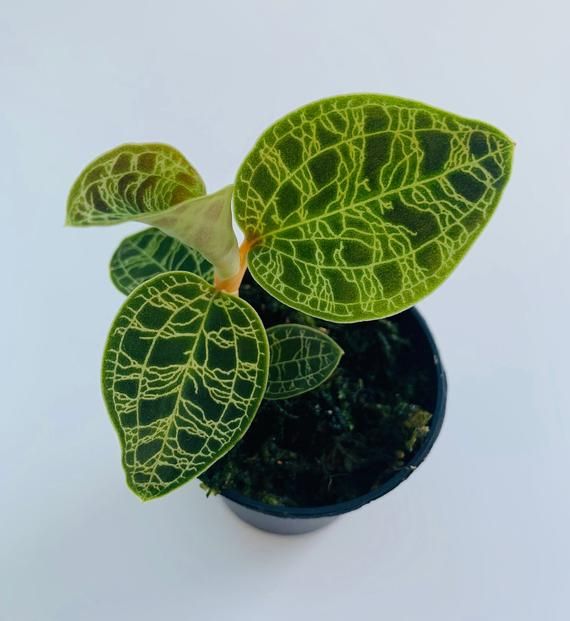
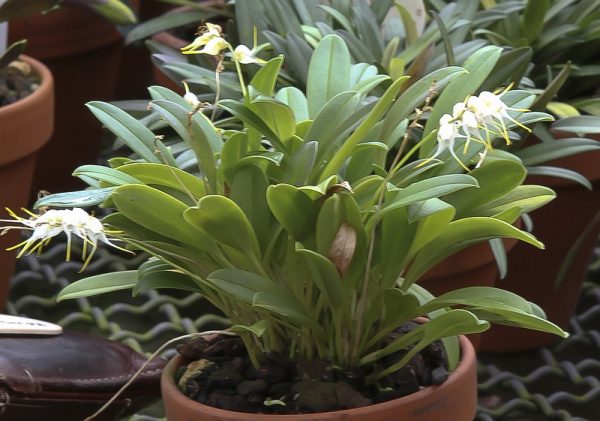
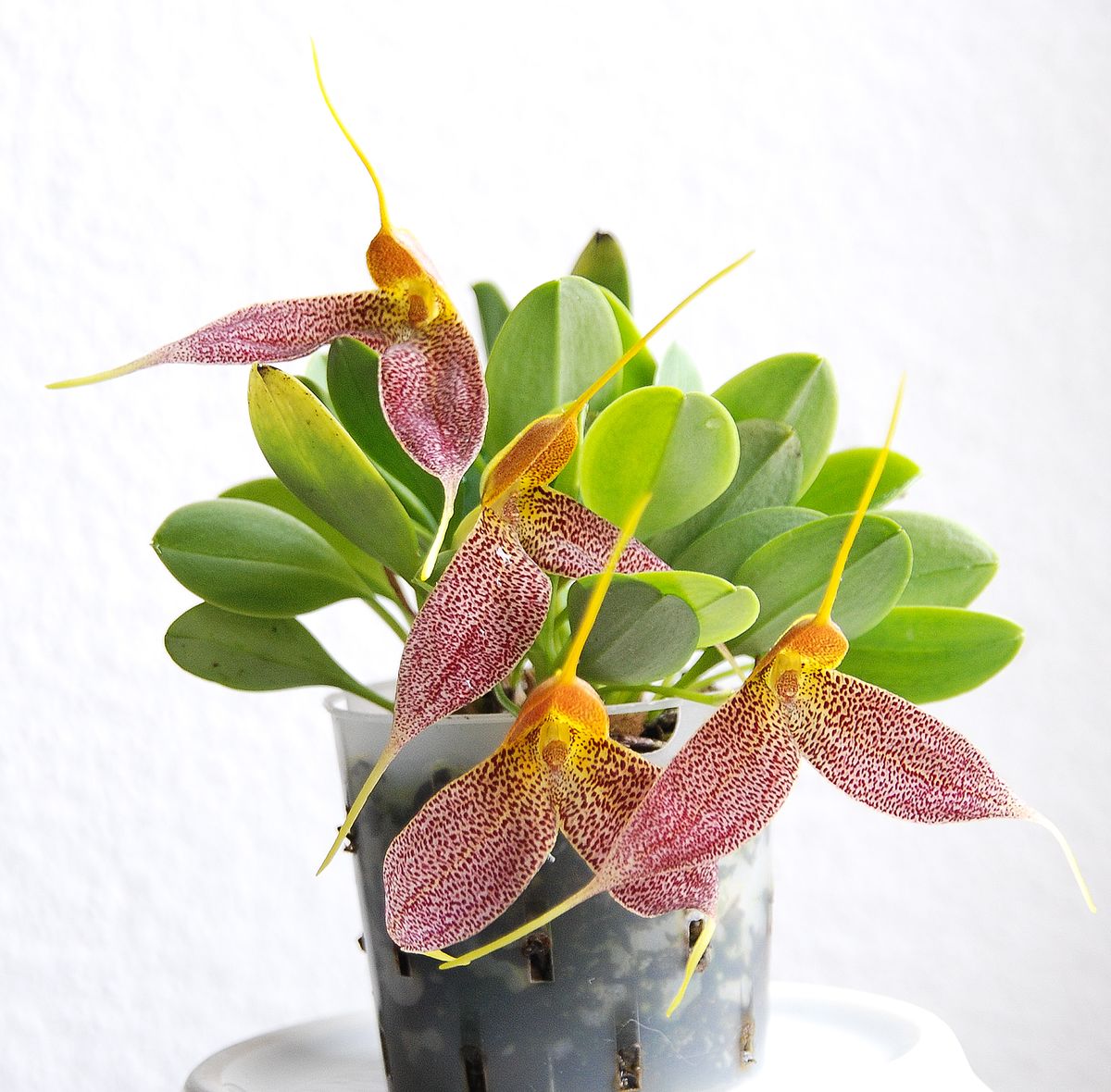
→ Explore more matches with our Plant Pairing Tool.


Frequently asked questions
Is the Black Jewel Orchid hard to grow?
No, Ludisia discolor is considered the easiest jewel orchid and one of the most forgiving orchids overall, which is why it's sometimes called the 'beginner's orchid'.
Does the Jewel Orchid suit a closed terrarium?
Very much so, it's a humidity-loving, low-light terrestrial, so the stable, humid conditions of a closed terrarium are close to ideal.
Care information is a general guide; conditions vary. Some links on this site are affiliate links that help support Terrarium Creations.