Buying guide & how-to
Fairy Garden Terrariums
A fairy garden terrarium is a tiny, magical world under glass, a miniature landscape of moss and little plants dotted with houses, bridges and fairy figures. It's one of the most joyful terrariums to build, a brilliant project with kids, and a genuinely lovely gift. Here's how to make one, the best kits and accessories, the right plants and container, theme ideas, and where to buy.
Updated August 2026 · We may earn a commission from links on this page, at no extra cost to you.
Our quick picks


What makes a fairy garden terrarium
Two ingredients: a small planted scene, and the miniature accessories that bring it to life. The planting can be as simple as a carpet of moss or a few little succulents; the magic comes from the tiny doors, houses, fences, paths and fairy figures you nestle among them. Get the scale right, and a jar or bowl becomes a whole enchanted world.
Most fairy gardens are built in an open container so the scene is easy to reach and the accessories stay dry, but you can absolutely make a closed, mossy version too. We'll cover both.
Complete fairy garden kits
The easiest way to start, especially as a gift or a kids' project, is a kit that includes the container, the growing bits and a set of fairy pieces together.
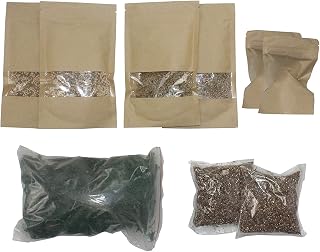

The accessories that make the magic
If you already have a container and plants, an accessory set is where the fun is, houses, fences, bridges, tiny furniture, animals and fairy figures. A big mixed set gives you enough to build several scenes.


Feature pieces and figurines
One or two standout pieces, a little house, a hand-painted fairy, a waterwheel, anchor the whole scene. Choose these first, then build the planting around them.


Open or closed?
Both work, and the choice sets your plants:
- Open fairy garden (most common), an open bowl or dish. Easy to arrange, and it suits small succulents, air plants or a low carpet of moss. Accessories stay dry and are simple to reposition.
- Closed / mossy fairy garden, a lidded jar or geometric "glass house". Humid and lush with moss, baby tears and mini ferns, a true miniature woodland. Choose weatherproof resin figures, as it stays damp inside.
New to the difference? See our guide to open vs closed terrariums.
Choosing a container
- Wide opening. You'll be placing tiny pieces with your fingers or tweezers, so a bowl, low dish or hinged geometric vessel is far easier than a narrow bottle.
- Depth for a scene. A little height lets you build paths, hills and a "background", which reads more magical than a flat surface.
- Clear glass. So the whole little world is on show. See our best terrarium containers for shapes.
A charming option is a house-shaped glass terrarium, a literal little house for your fairy scene.
The best plants for a fairy garden
Scale is everything, pick plants that stay small and slow so they don't swamp the figures:
- Moss, the classic fairy-garden "lawn", lush and instantly magical in a closed build.
- Baby's tears & Pilea depressa, fine, creeping carpets for a soft green floor.
- Mini ferns & fittonia, low, colourful foliage that stays in scale.
- Small succulents & air plants, for an open, drier fairy garden.
Browse the plant library for compact species, and best plants for closed terrariums for the mossy kind.
How to build one, step by step
- Drainage. A 2–3 cm layer of gravel or LECA (there's no drainage hole).
- Charcoal. A thin scatter of activated charcoal to keep things fresh, especially in a closed build.
- Substrate. A moisture-retentive mix for moss and tropicals, or a gritty cactus mix for succulents.
- Plant. Set your plants first, largest at the back, then carpet bare soil with moss.
- Landscape the scene. Add the house or feature piece, lay a pebble path, then place fairies, animals and furniture. Vary heights so it tells a story.
- Finish. Sand or fine gravel for paths, a few stones, and a light mist (for moss builds).
For the full method, see how to make a terrarium, or let our free terrarium builder plan the layers for you.
Theme ideas
- Enchanted woodland, moss, a tiny door in a "tree", toadstools and a fairy or two.
- Gnome village, little houses, fences and a winding pebble path.
- Zen / miniature garden, raked sand, a bridge, a pagoda and a lantern.
- Beach or unicorn, playful themes that make great kids' gifts.
- Seasonal, a snowy Christmas scene or an autumn woodland for the mantel.
For more inspiration see our terrarium design themes.
A brilliant project with kids (and a great gift)
Fairy garden terrariums are one of the best ways to get children into plants, they choose the characters, build the scene and then watch the moss or seeds grow. A boxed kit makes a foolproof gift for ages six and up; an accessory set plus a jar you already have is a lovely rainy-day activity. Grown-up plant lovers enjoy them too, as a whimsical desk or shelf piece.
Caring for a fairy garden terrarium
- Light, bright, indirect. Never direct sun, which cooks the glass and fades resin figures.
- Water, a mossy closed garden needs only occasional misting; an open succulent one, a small drink every couple of weeks once the soil dries.
- Tidy, dust the figures with a soft brush, trim plants that outgrow the scene, and reposition pieces as the planting fills in.
Our terrarium care guide covers the essentials.
Where to buy fairy garden terrariums & accessories
- Amazon, the fastest source for complete kits and big accessory sets. Links here open your local Amazon automatically. Browse fairy garden kits and miniature accessories.
- Etsy and independent makers, for handmade, one-off houses, doors and hand-painted figures with real character, worldwide.
- Local, by region: in Australia, Bunnings, Kmart and craft shops carry minis and small plants (see terrarium plants at Bunnings); in the US, craft chains and garden centres stock fairy-garden ranges.
Frequently asked questions
What is a fairy garden terrarium?
A miniature planted scene in a glass container, moss or small plants decorated with tiny houses, fences, paths and fairy figures to create a little magical world.
What plants are best for a fairy garden?
Small, slow growers that stay in scale: moss, baby's tears and Pilea for a green carpet, mini ferns and fittonia for colour, or small succulents and air plants for an open, drier garden.
Should a fairy garden be open or closed?
Open is most common and easiest to arrange, and suits succulents or a moss carpet. A closed, humid version is lush with moss and mini ferns; just use weatherproof resin figures as it stays damp inside.
Are fairy garden terrariums good for kids?
Yes, they're one of the best plant projects for children. A complete kit is foolproof for ages six and up, and building the scene is half the fun.
How do I care for it?
Bright indirect light, occasional misting for a mossy build or a small drink every couple of weeks for succulents, and a gentle dust of the figures now and then.
Keep reading
As an Amazon Associate we earn from qualifying purchases. Availability and prices may change over time.