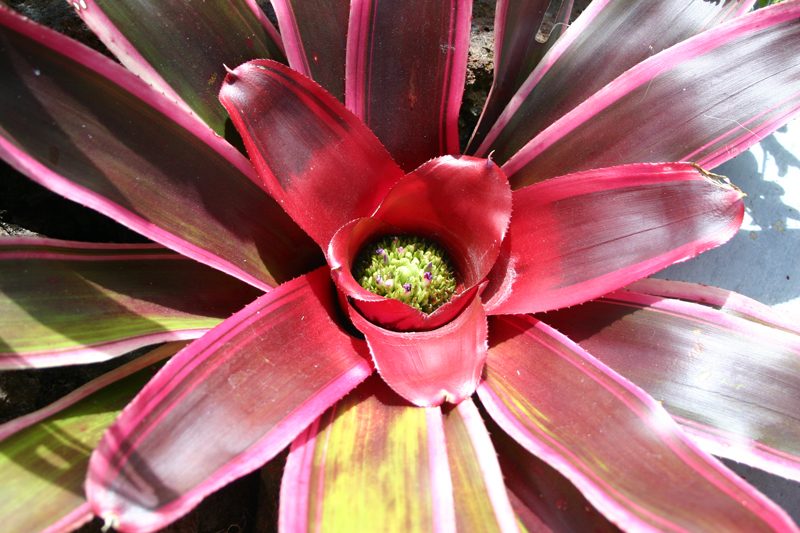
Neoregelia 'Fireball' is a miniature bromeliad that flushes brilliant red in good light, a compact, clustering rosette perfect for a bright terrarium, vivarium wall or mounted display.
Light
The redder you want it, the more light it needs. In bright, indirect light (with some gentle direct sun once acclimated) the whole rosette turns fiery red; in low light it reverts to plain green.
Water & humidity
Like other tank bromeliads it drinks mainly through its central cup, keep that topped up with fresh, soft water (rain or distilled; avoid hard or softened tap water) and flush it occasionally. Water the light, free-draining mix only when the surface dries.
In the terrarium
Best in an open, brightly lit terrarium or a vivarium, where it can be planted shallow or mounted like an epiphyte. It loves humidity but needs light and airflow, so it's less suited to a small, dim sealed jar.
Origin & temperature
Neoregelia bromeliads are native to the Brazilian Atlantic rainforest, where they grow as epiphytes in the canopy; 'Fireball' is a compact cultivated hybrid.
Temperature: 16–27 °C, away from cold draughts. Pet safety: bromeliads are non-toxic to cats and dogs.
Propagation
Propagate from the offsets ('pups') that form around the base. Once a pup is about a third of the parent's size, cut it away with a little root and pot or mount it separately.
Common problems
- Green instead of red = not enough light; give it a brighter position.
- Rotting centre = stagnant old water in the cup; flush and refresh it with clean soft water.
Good companions
Fireball Bromeliad pairs well with plants that want the same conditions, a humid, closed terrarium with bright, indirect light. Here are some species that thrive alongside it:
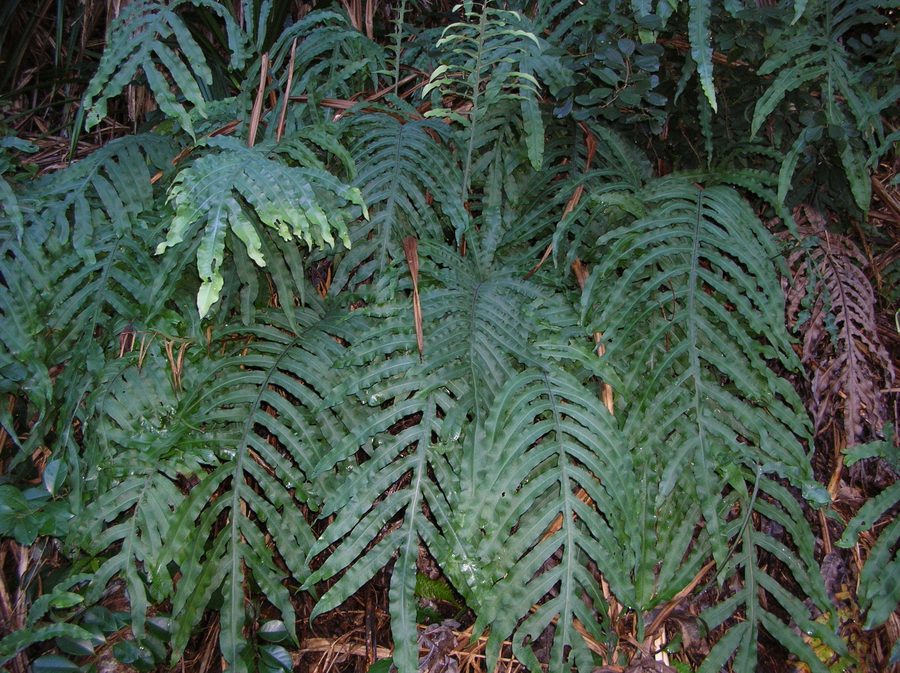
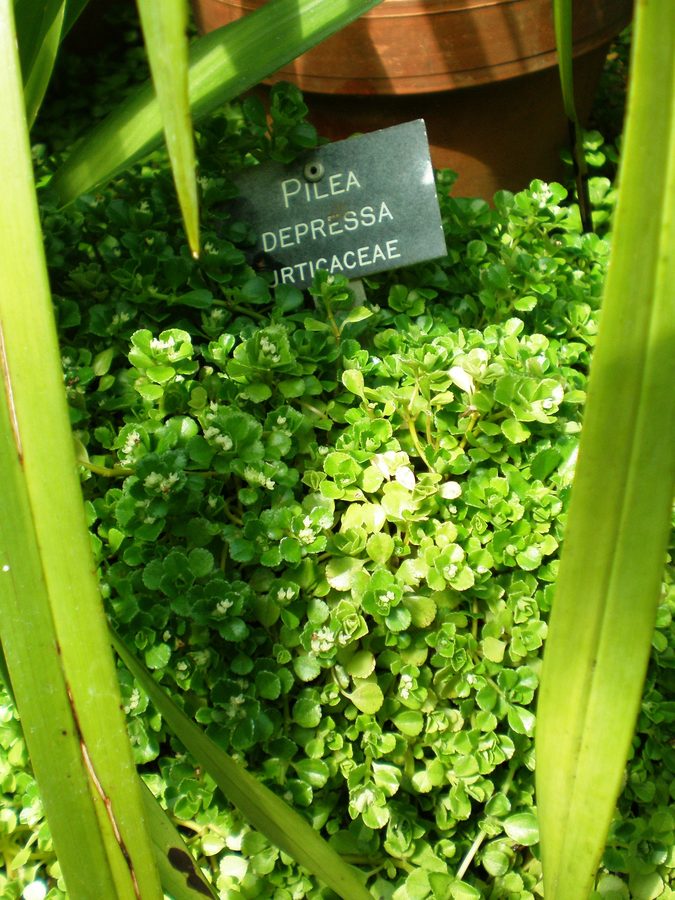
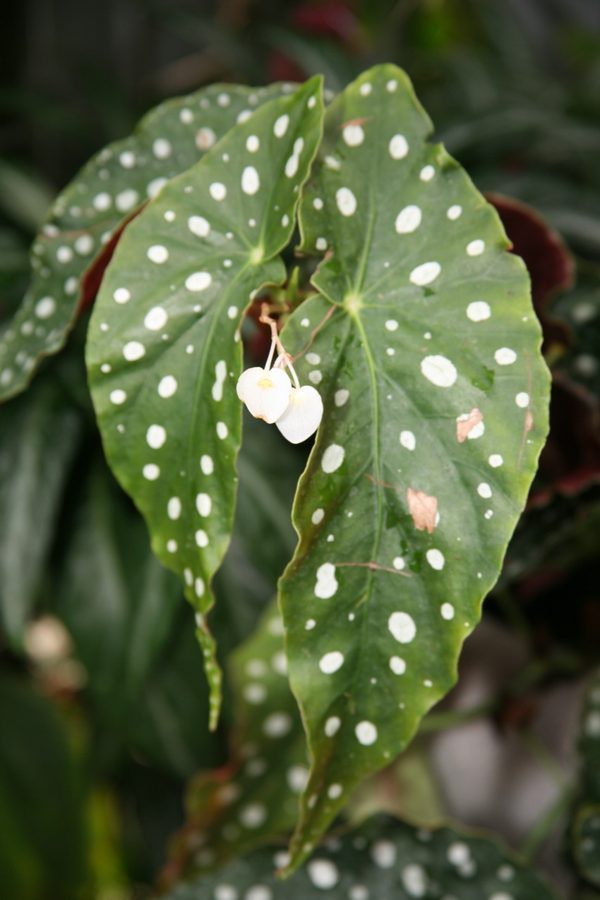
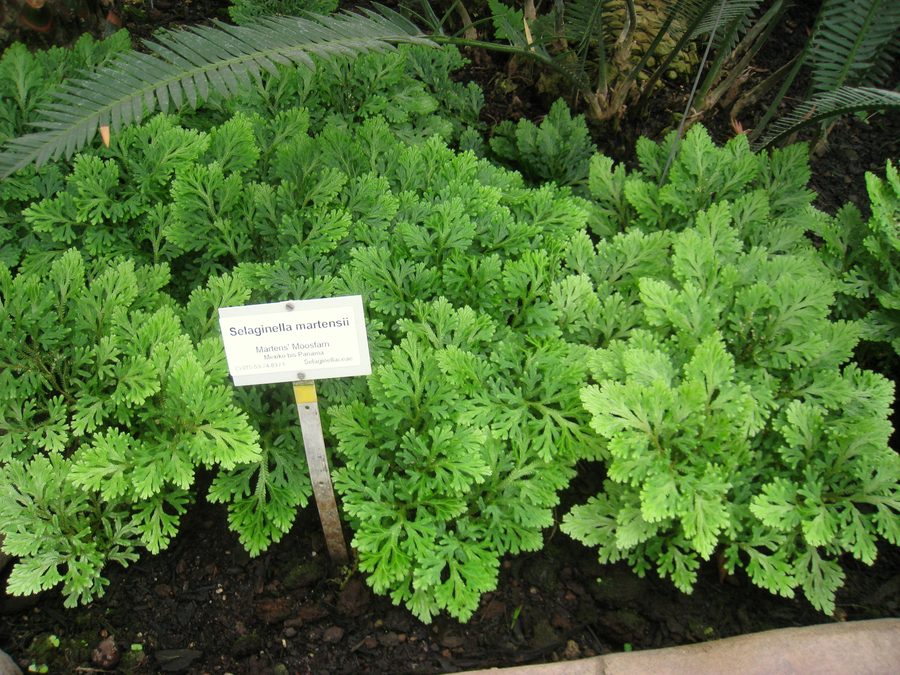
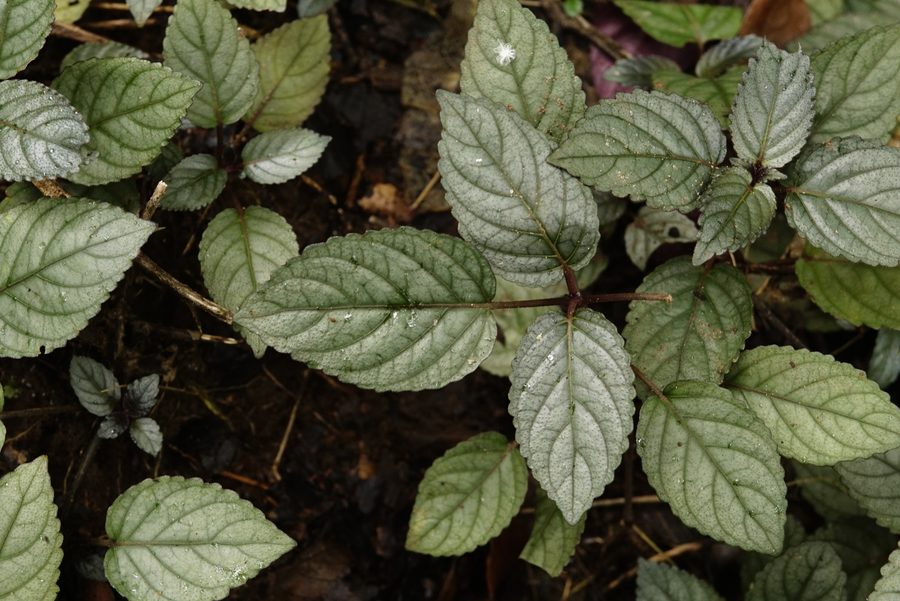
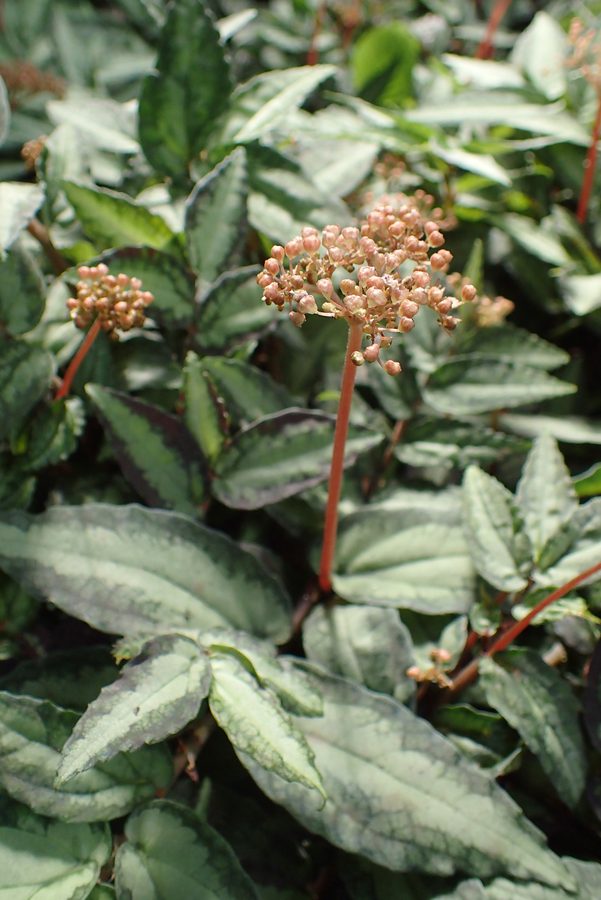
→ Explore more matches with our Plant Pairing Tool.


Frequently asked questions
Do I water a Fireball Bromeliad in the soil or the cup?
Mainly the cup, keep the central rosette topped with fresh, soft water and only water the (light, fast-draining) mix when its surface dries.
Why is my Fireball green rather than red?
It needs more light. The intense red colour only develops in bright light; in shade the rosette stays green.
Care information is a general guide; conditions vary. Some links on this site are affiliate links that help support Terrarium Creations.