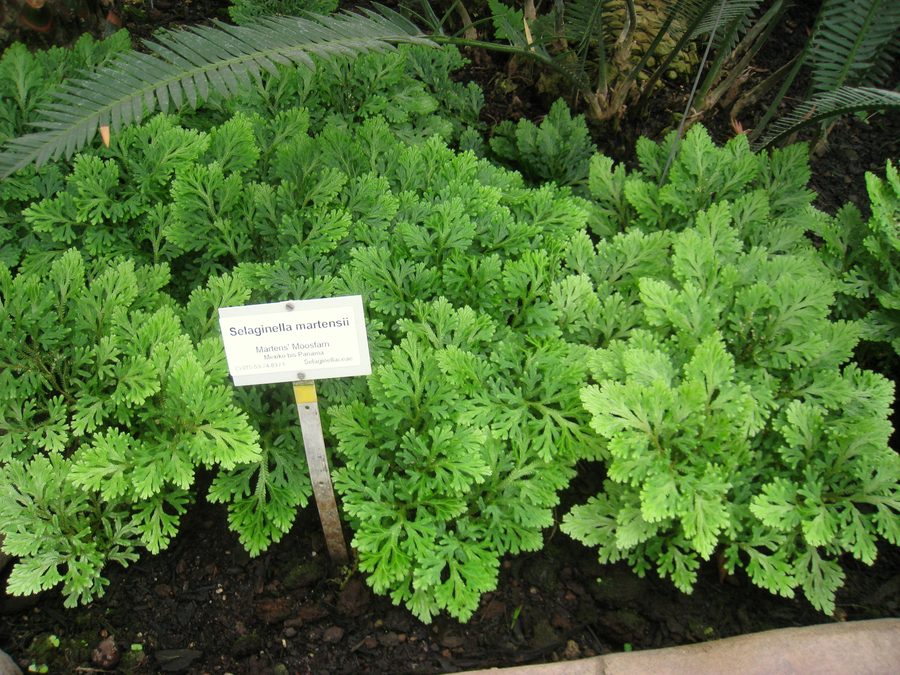
Despite the name, the Frosty Fern is a spikemoss, not a fern, a bushy, upright plant whose branch tips look dipped in white 'frost'. It's a festive favourite that truly thrives only in terrarium humidity.
Light
Bright, indirect light keeps the frosted tips bright. Direct sun scorches the fine foliage, so filter it.
Water & humidity
Keep the substrate consistently moist but not soggy, it's sensitive both to drying out and to overwatering. Steady moisture is the key.
In the terrarium
A closed-terrarium natural. It needs at least 70% humidity and stable temperatures, which is why frosty ferns bought as houseplants so often fail, sealed in a terrarium, it's far happier.
Origin & temperature
Selaginella martensii is native to Mexico and Central America, carpeting damp, shaded forest floors, the frosted white tips are new growth.
Temperature: stable, around 18–21 °C. Pet safety: Selaginella is generally regarded as non-toxic to pets.
Propagation
Propagate by division or from stem fragments, which root where they contact damp substrate.
Common problems
- Browning, crisping = it dried out or the air is too dry; raise humidity fast.
- Yellowing, mushy base = overwatered; keep evenly moist, not saturated.
Good companions
Frosty Fern pairs well with plants that want the same conditions, a humid, closed terrarium with bright, indirect light. Here are some species that thrive alongside it:
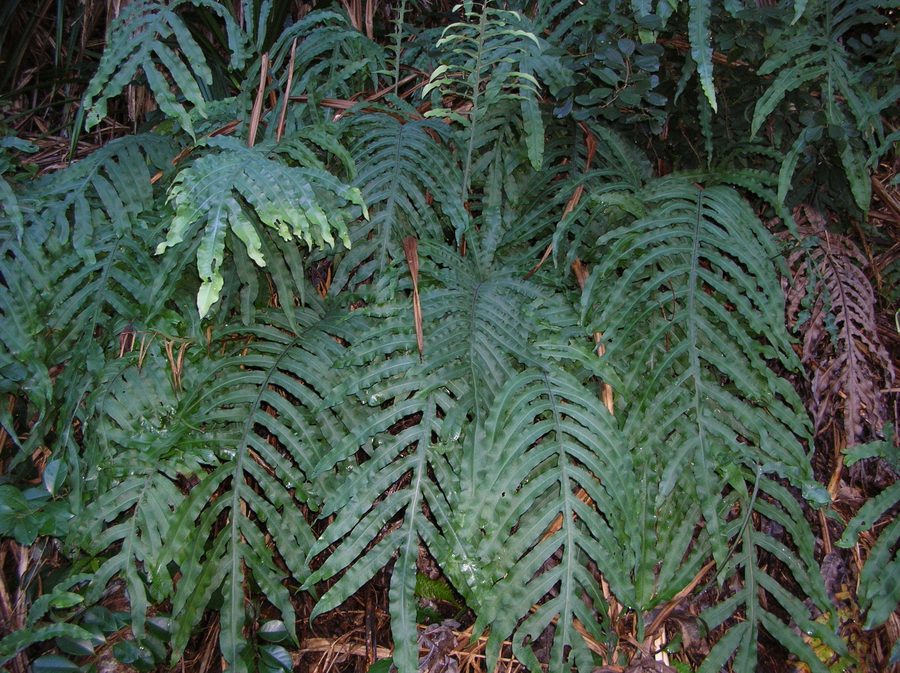

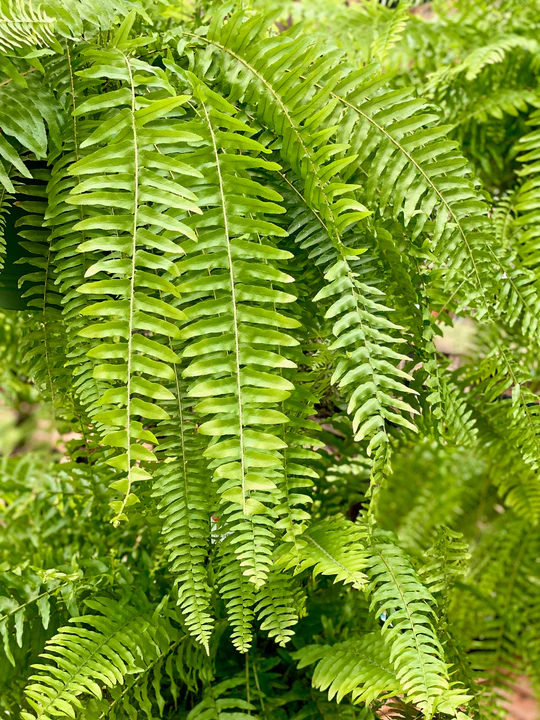
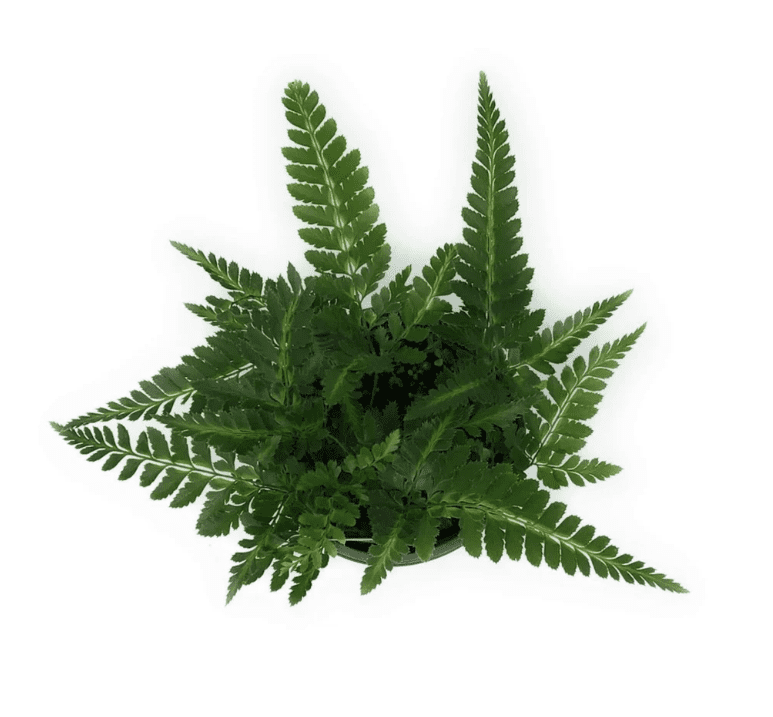
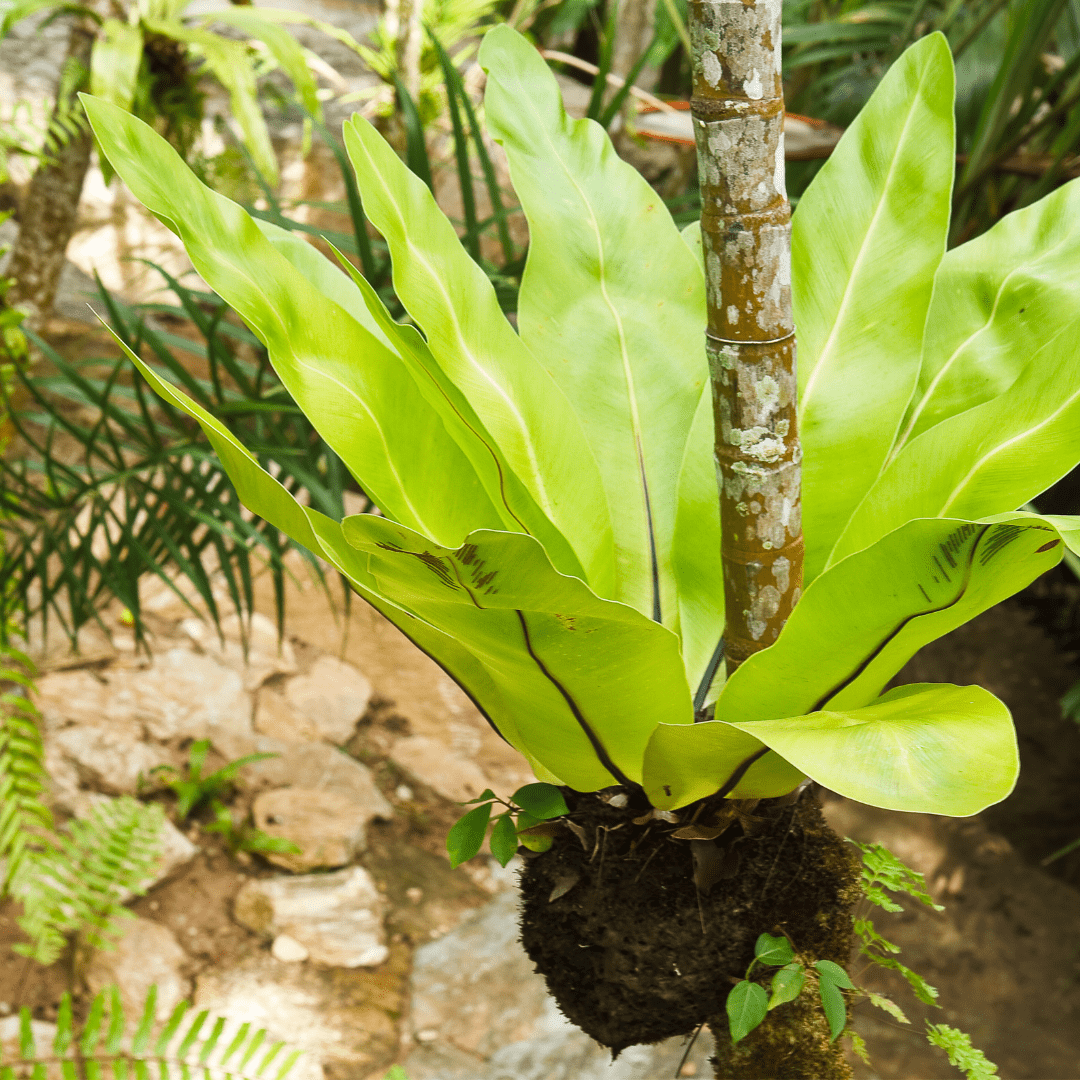
→ Explore more matches with our Plant Pairing Tool.


Frequently asked questions
Is a Frosty Fern really a fern?
No, it's a spikemoss (Selaginella), a primitive fern relative. Its care is more like moss: constant moisture and high humidity.
Why do Frosty Ferns die so often as houseplants?
They need very high humidity that ordinary rooms lack. In a closed terrarium, where humidity stays high, they're much easier to keep.
Care information is a general guide; conditions vary. Some links on this site are affiliate links that help support Terrarium Creations.