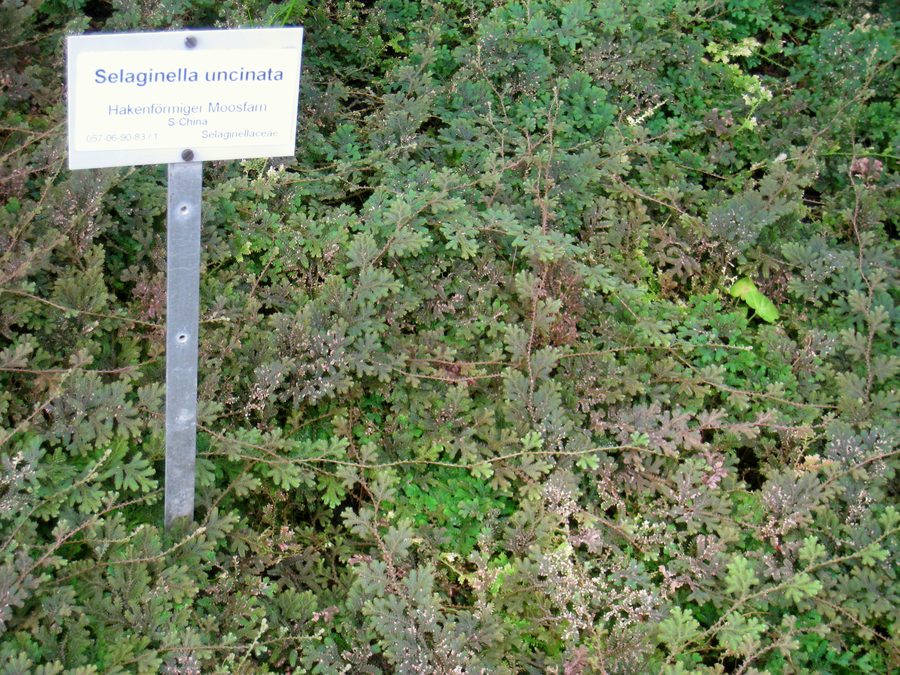
Peacock spikemoss is a creeping fern-ally whose feathery foliage shimmers an iridescent blue-green in shade, one of the most striking carpeting plants you can grow, and one that practically demands a closed terrarium.
Light
Bright, indirect light or even fairly low light brings out the blue iridescence. Direct sun is disastrous, even brief exposure bleaches the shimmer and scorches the foliage.
Water & humidity
This plant will not tolerate drying out. Keep the substrate constantly moist (bottom-watering works well to avoid rot in the dense foliage) and the air very humid, the iridescence itself is a live gauge, dimming the moment humidity drops.
In the terrarium
A closed terrarium is almost essential. In the sealed, humid environment it spreads into a glowing blue-green carpet that softens hardscape beautifully; in open air it quickly dries and browns.
Origin & temperature
Peacock spikemoss is native to China, carpeting the damp, shaded floor of subtropical forests where its iridescent blue sheen develops in low light.
Temperature: steady 18–24 °C suits it best. Pet safety: Selaginella is generally regarded as non-toxic to pets.
Propagation
Very easy: it roots wherever a stem touches damp substrate, so simply lay short cuttings across the surface, keep them moist, and they knit into a carpet within weeks.
Common problems
- Loss of blue iridescence = humidity dropped; raise it and keep the air still and moist.
- Browning, crisping stems = it dried out or caught direct sun; both are quickly fatal for this species.
Good companions
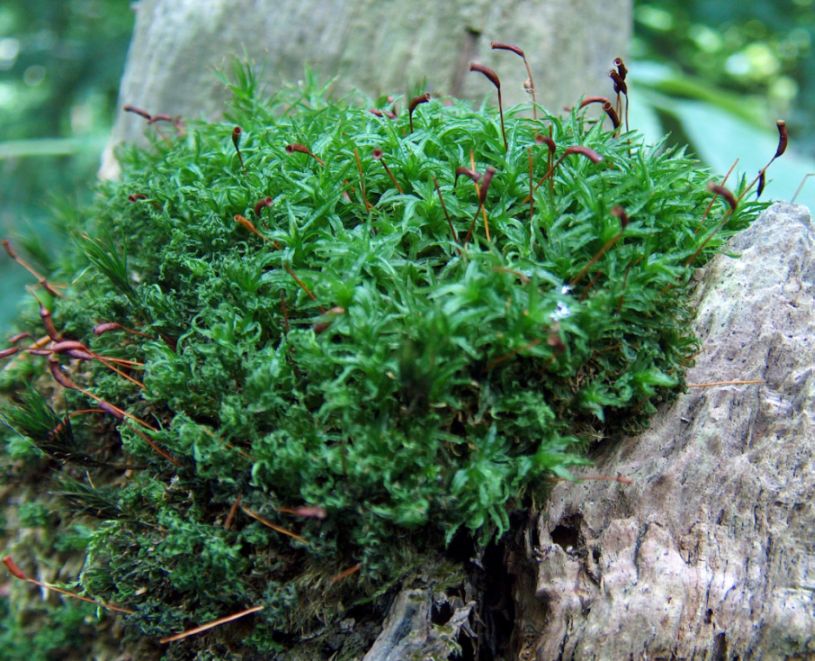
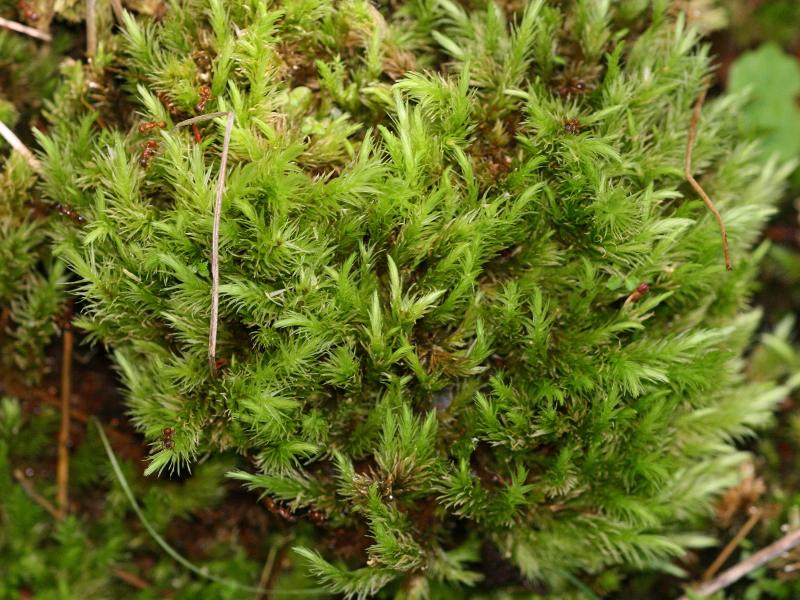
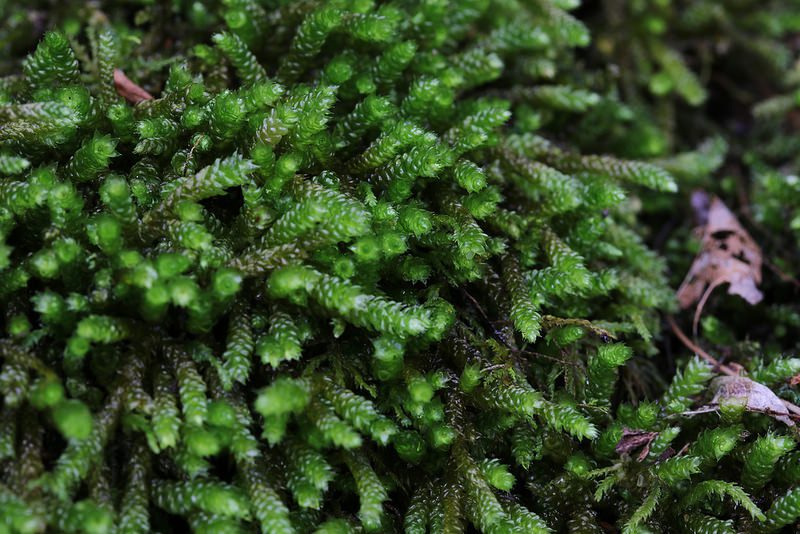
Peacock Spikemoss pairs well with plants that want the same conditions, a humid, closed terrarium with bright, indirect light. Here are some species that thrive alongside it:
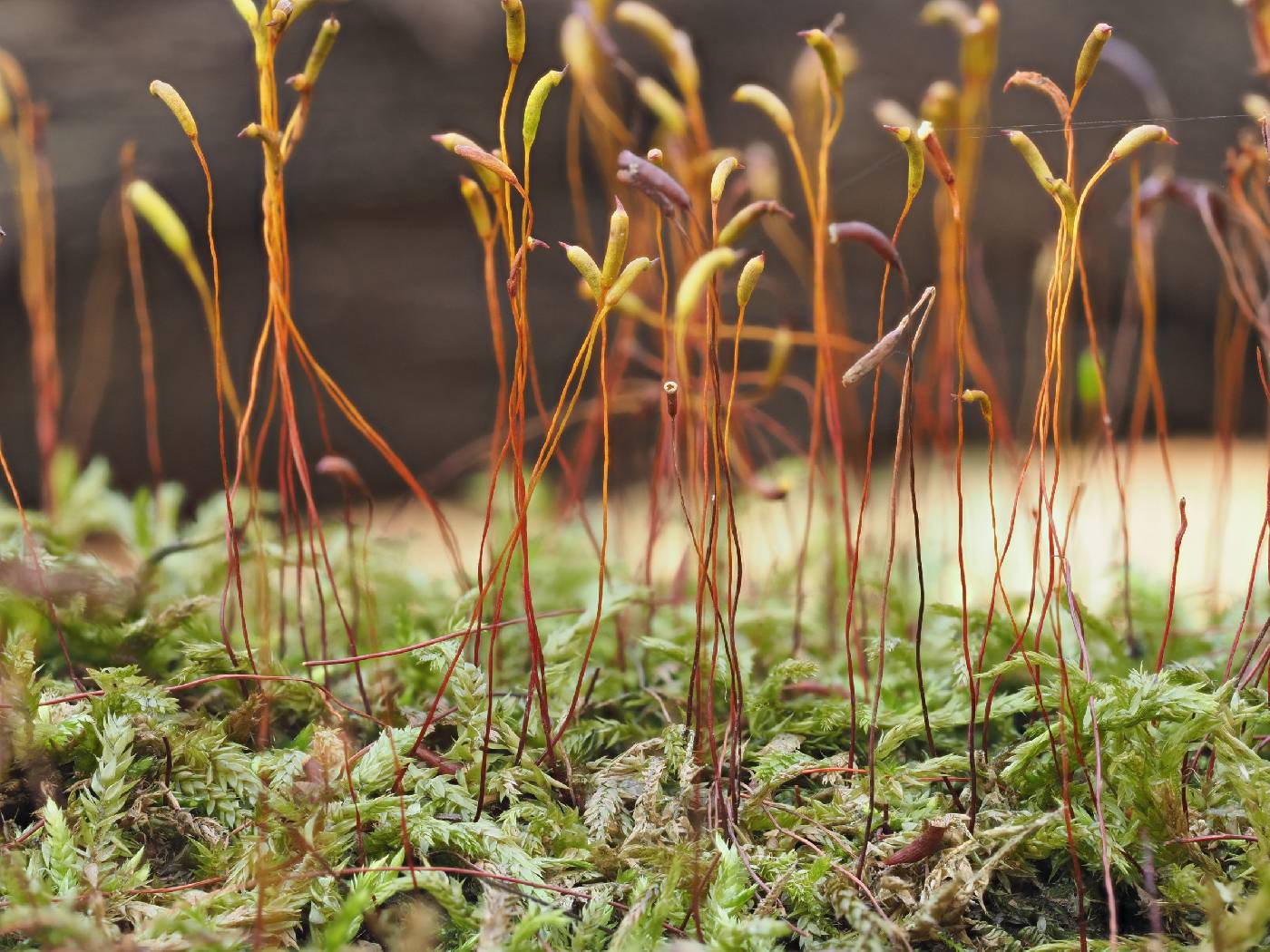
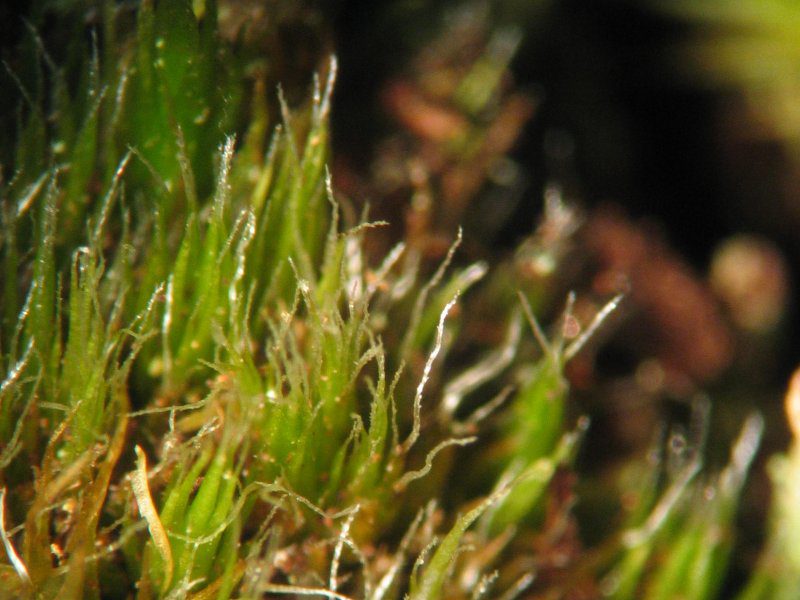
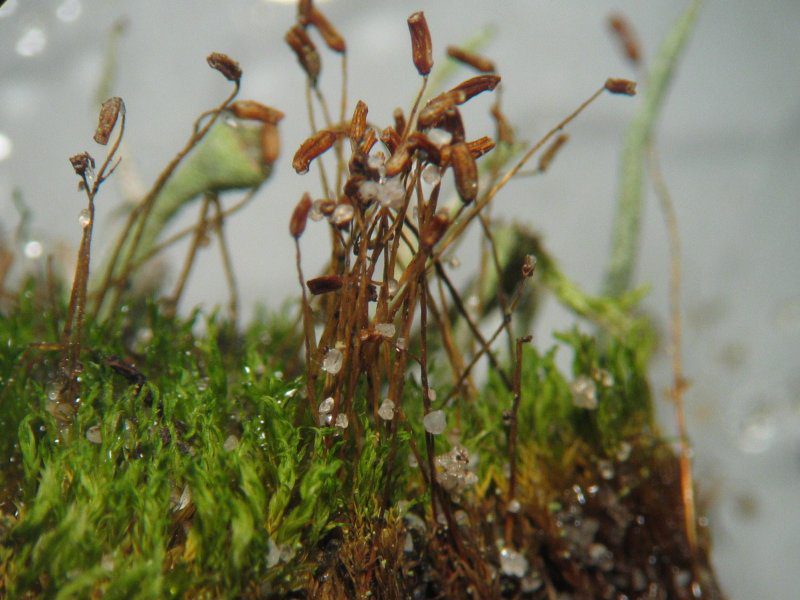
→ Explore more matches with our Plant Pairing Tool.


Frequently asked questions
Is peacock spikemoss the same as moss?
No, despite the name it's a spikemoss, a primitive fern relative (a 'fern ally'), not a true moss. Its care is similar to moss, though: constant moisture and humidity.
Why did my peacock spikemoss lose its blue shimmer?
The iridescence needs high humidity and shade. It fades when the air dries out or the plant gets too much light, a useful early warning to mist and reseal.
Care information is a general guide; conditions vary. Some links on this site are affiliate links that help support Terrarium Creations.