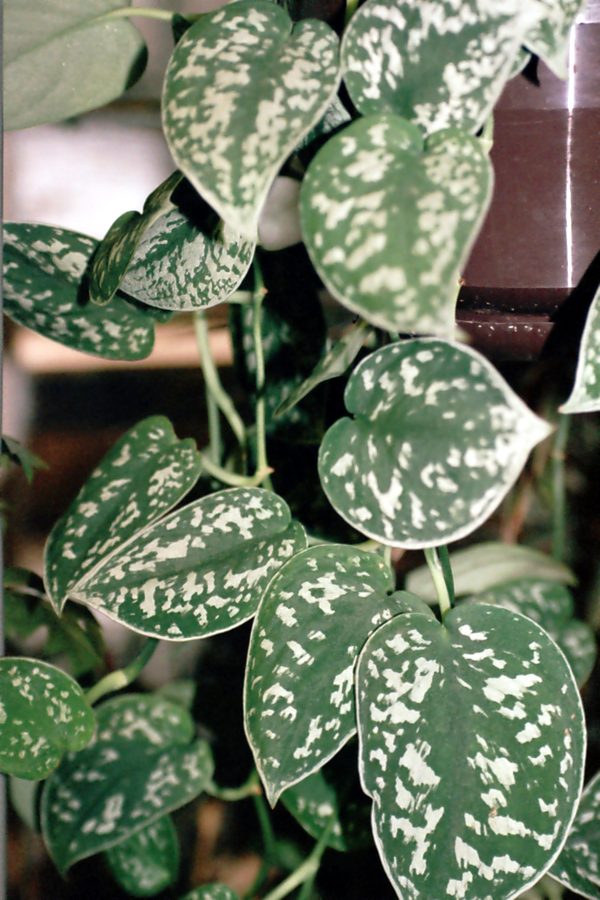
Satin Pothos (not a true pothos) is a trailing aroid with heart-shaped, matte-green leaves dusted in shimmering silver, a tough, handsome climber for the back or sides of a terrarium.
Light
Bright, indirect light keeps the silver variegation strong; in deep shade the markings fade. Avoid direct sun, which scorches the leaves.
Water & humidity
Let the top few centimetres of substrate dry before watering, it is far more prone to rot from overwatering than from neglect.
In the terrarium
It enjoys terrarium humidity and will climb or trail attractively, but it's vigorous and prefers some airflow, so give it a larger or well-vented build and trim it to keep it in bounds.
Origin & temperature
Scindapsus pictus is native to Southeast Asia, where it climbs tree trunks in tropical forest, its leaves enlarging as it ascends toward the light.
Temperature: 18–29 °C. Pet safety: toxic to cats and dogs, it contains insoluble calcium oxalates that irritate the mouth if chewed.
Propagation
Very easy: take stem cuttings with a node and root them in water or straight into damp substrate.
Common problems
- Fading silver = too little light; give it brighter, indirect light.
- Yellow, mushy stems = overwatering; let the mix dry more between waterings.
Good companions
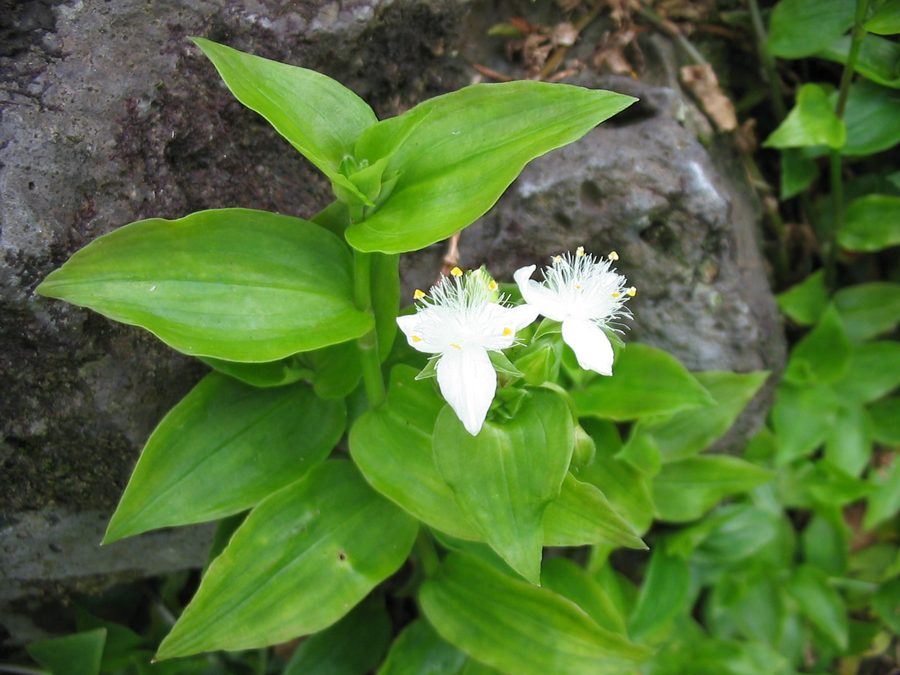
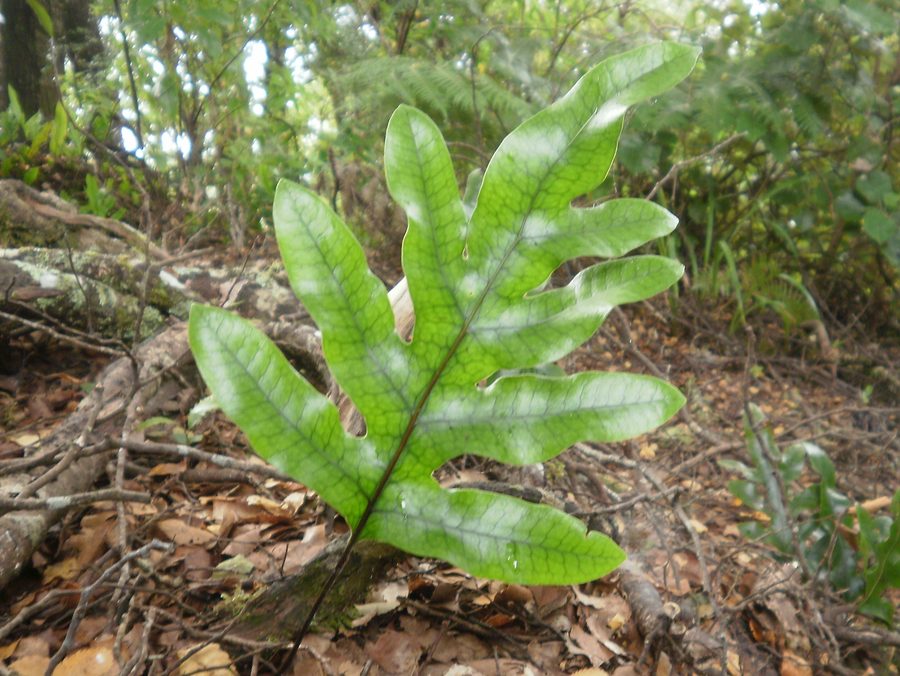
Satin Pothos pairs well with plants that want the same conditions, a humid, closed terrarium with bright, indirect light. Here are some species that thrive alongside it:
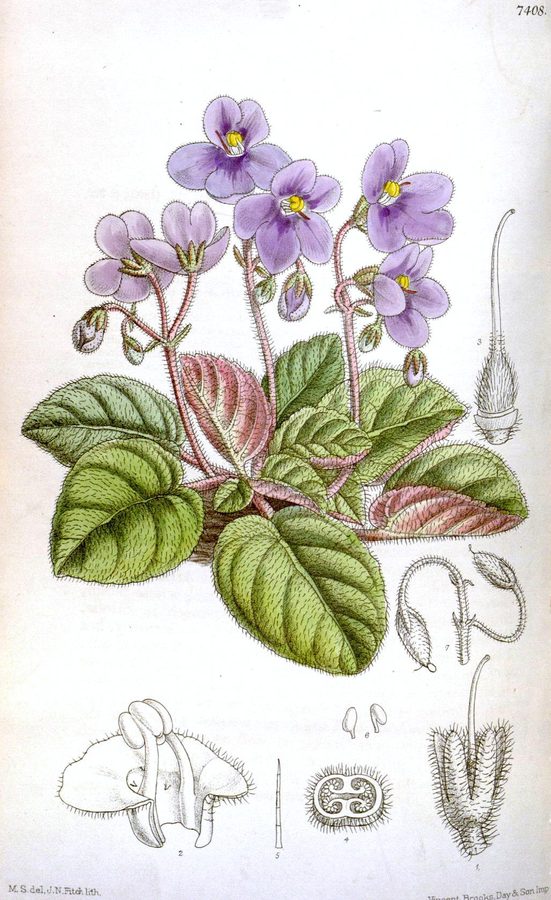
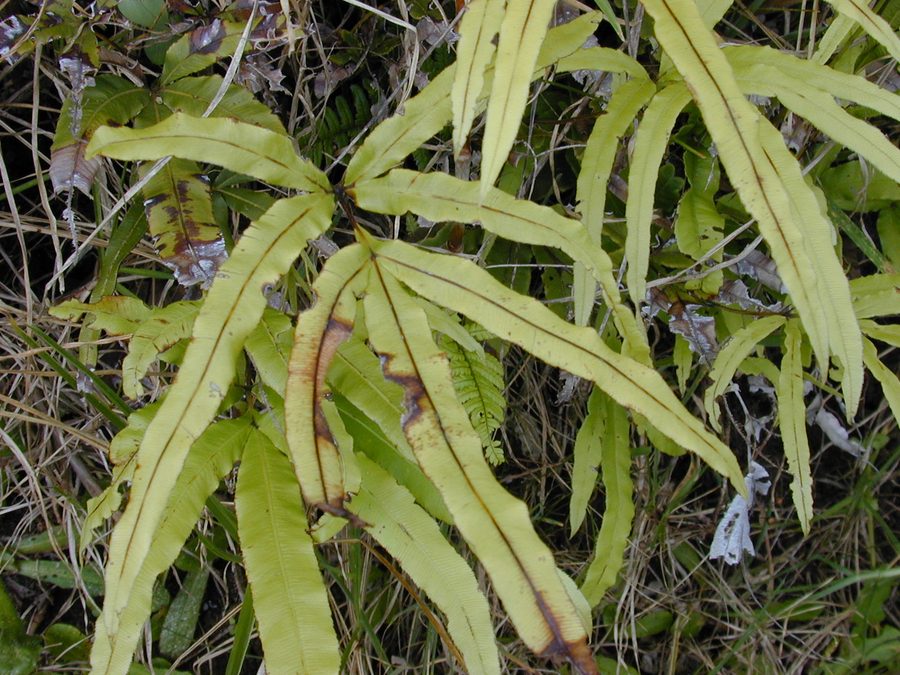
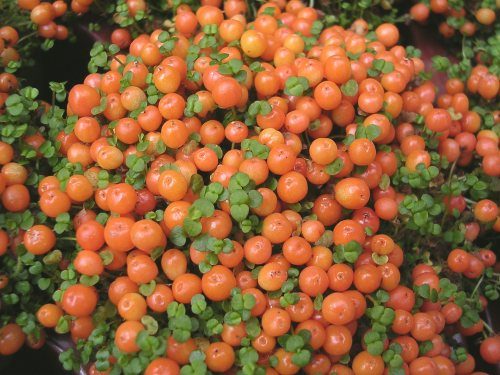
→ Explore more matches with our Plant Pairing Tool.


Frequently asked questions
Is Satin Pothos toxic?
Yes, like other aroids it contains insoluble calcium oxalates and is toxic to cats and dogs if chewed, so site it out of reach of pets.
Is it actually a pothos?
No, despite the name it's Scindapsus pictus, a close relative of true pothos (Epipremnum) but a different plant.
Care information is a general guide; conditions vary. Some links on this site are affiliate links that help support Terrarium Creations.