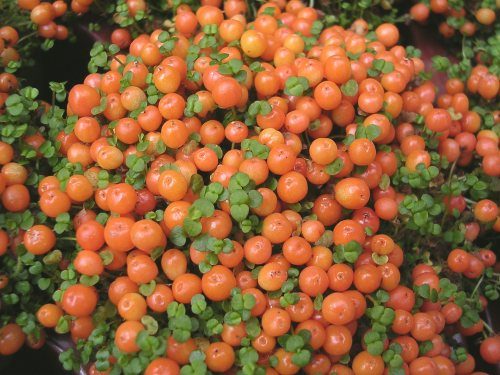
The Coral Bead Plant is a low, moss-like creeper studded, after flowering, with dozens of vivid orange berries, giving a burst of colour that few terrarium plants can match.
Light
Bright, indirect light is essential, especially if you want the berries: too little light and it stays a plain green mat, while hot direct sun shrivels the beads. A bright spot out of direct rays is the sweet spot.
Water & humidity
Keep the substrate evenly moist and never let it dry out, particularly from flowering through to berry set. Mist to keep humidity up, but avoid water pooling on the foliage.
In the terrarium
It relishes terrarium humidity but colours up best with plenty of light and some airflow, so a bright, well-ventilated or open terrarium suits it better than a dim sealed jar. Keeping it on the cool side helps the berries form and last.
Origin & temperature
Nertera granadensis has an unusually wide, cool-climate range, from New Zealand and Tasmania through Southeast Asia to the Andes of Central and South America, growing as a low creeper in cool, damp, mossy ground.
Temperature: it prefers cool conditions, around 10–20 °C; too much warmth stops it fruiting. Pet safety: the berries are ornamental only, not edible, so keep it away from pets and children.
Propagation
Propagate by division in spring, separate a section of the creeping mat with roots attached and press it onto fresh damp substrate. It can also be grown from seed, though division is far quicker.
Common problems
- No berries, just green = too little light or too warm; give it a brighter, cooler spot.
- Shrivelled beads = direct sun or the plant dried out; move out of direct rays and keep evenly moist.
Good companions
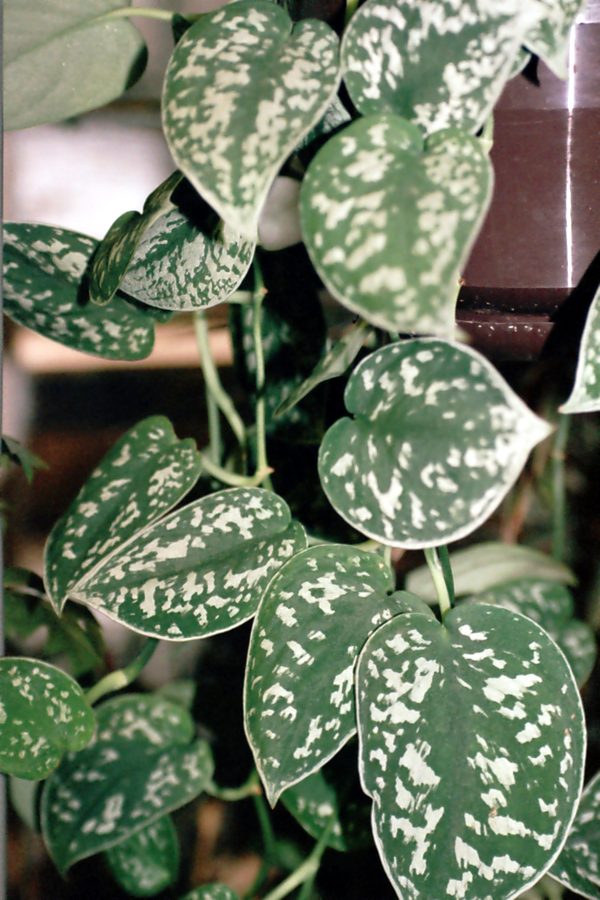
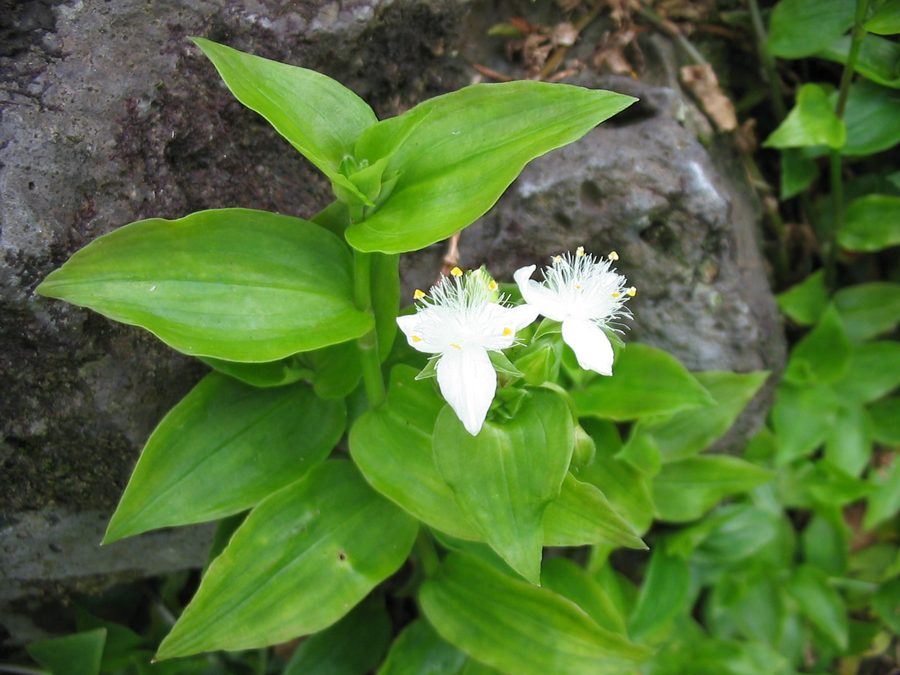
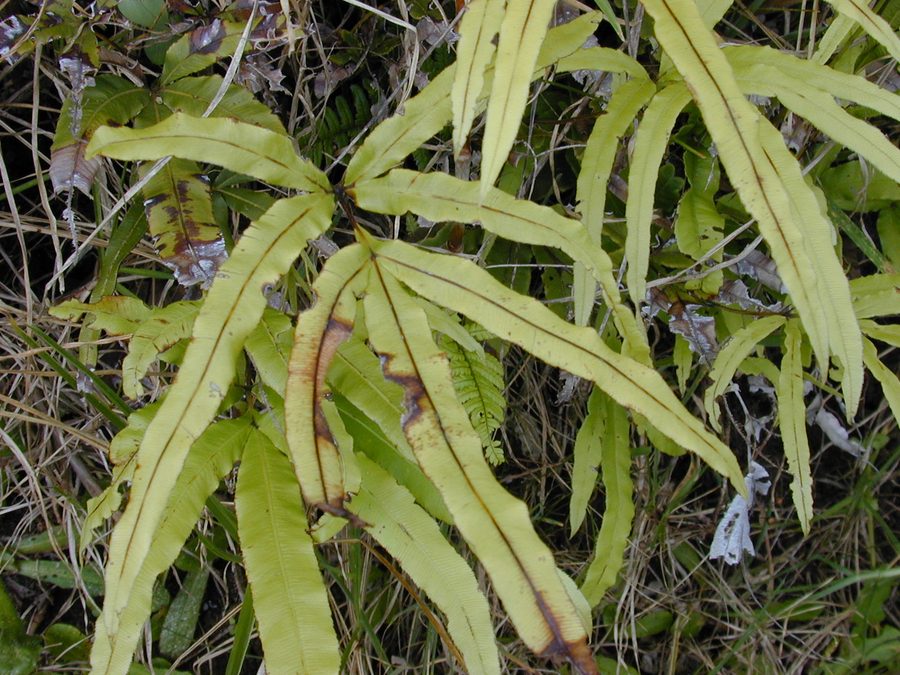
Coral Bead Plant pairs well with plants that want the same conditions, a humid, closed terrarium with bright, indirect light. Here are some species that thrive alongside it:
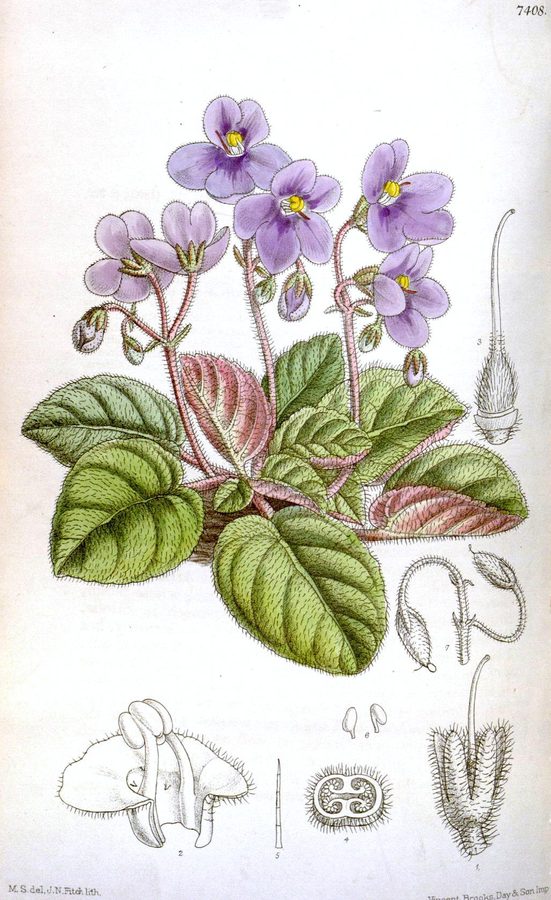
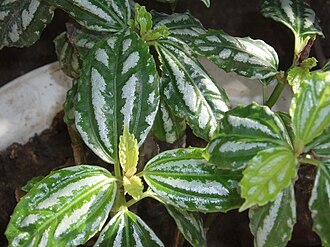
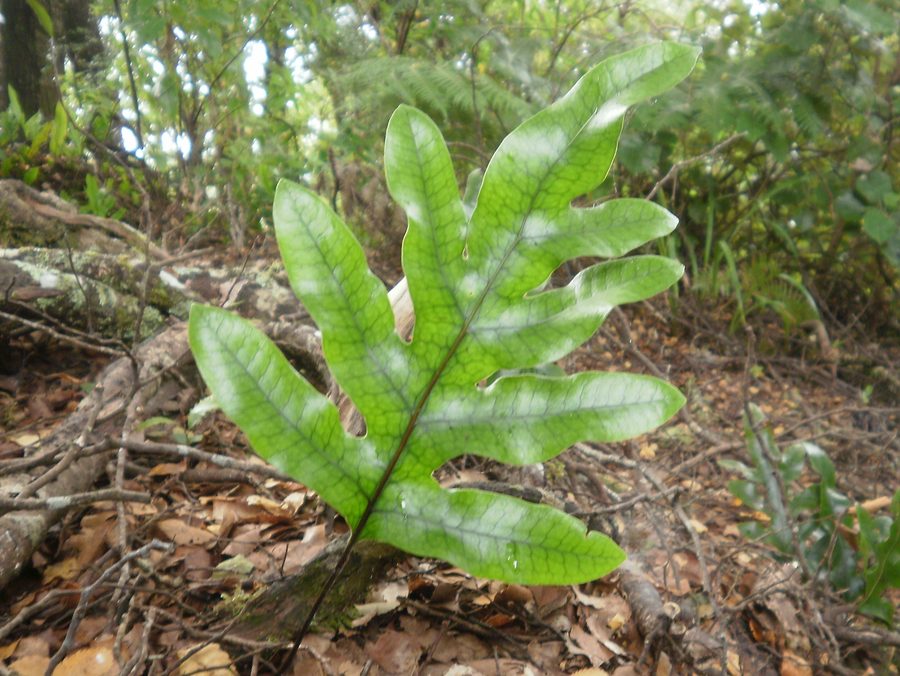
→ Explore more matches with our Plant Pairing Tool.


Frequently asked questions
Are the Coral Bead Plant's berries edible?
No, they're purely decorative and should not be eaten. Keep the plant out of reach of pets and small children.
Why won't my Coral Bead Plant produce berries?
Usually not enough light, or conditions too warm. It needs bright indirect light and cooler temperatures to flower and set its orange beads.
Care information is a general guide; conditions vary. Some links on this site are affiliate links that help support Terrarium Creations.