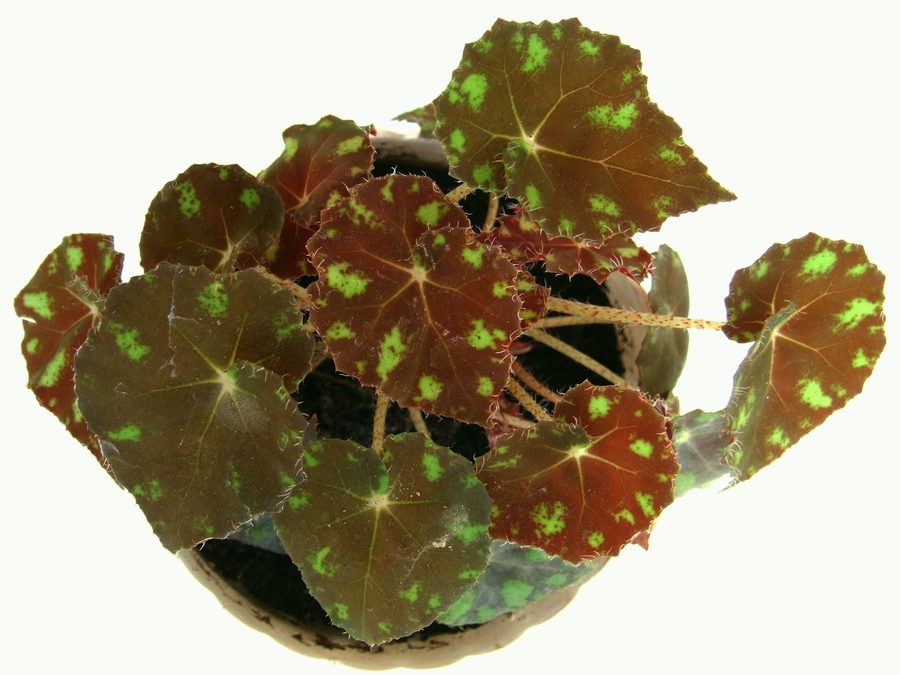
The Eyelash Begonia is a compact, rhizomatous begonia with patterned emerald leaves edged in fine white 'eyelash' hairs, a small, showy foliage plant that's tailor-made for terrariums.
Light
Give it bright, indirect light to keep the leaf patterning strong; direct sun bleaches and burns the foliage, while deep shade mutes the markings.
Water & humidity
Water carefully. The thick rhizomes store moisture like a succulent, so let the top of the substrate dry before watering again, soggy soil quickly causes the whole plant to melt away from rot.
In the terrarium
An excellent closed-terrarium plant: staying under about 20 cm and loving high humidity, it fits neatly among moss and small foliage. Keep the rhizome sitting at the surface, not buried.
Origin & temperature
Begonia bowerae comes from the cloud forests of Mexico, where it creeps across the shaded, humid forest floor via thick surface rhizomes.
Temperature: warm, 18–27 °C. Pet safety: begonias are toxic to cats and dogs (insoluble oxalates, most concentrated in the underground parts).
Propagation
Propagate from rhizome cuttings or leaf cuttings: lay a section of rhizome (or a leaf with a bit of stalk) on damp substrate under high humidity, and new plantlets form at the cut in a few weeks.
Common problems
- Mushy, collapsing base = overwatered rhizome rot; let the mix dry more between waterings and improve airflow.
- Powdery grey film on leaves = mildew from stagnant humid air; increase ventilation.
Good companions
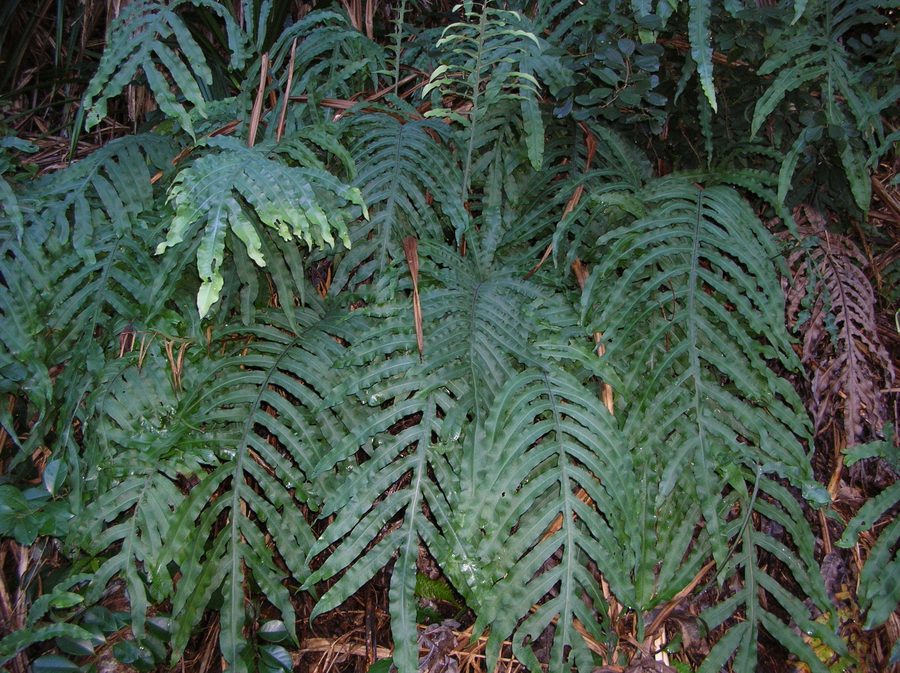
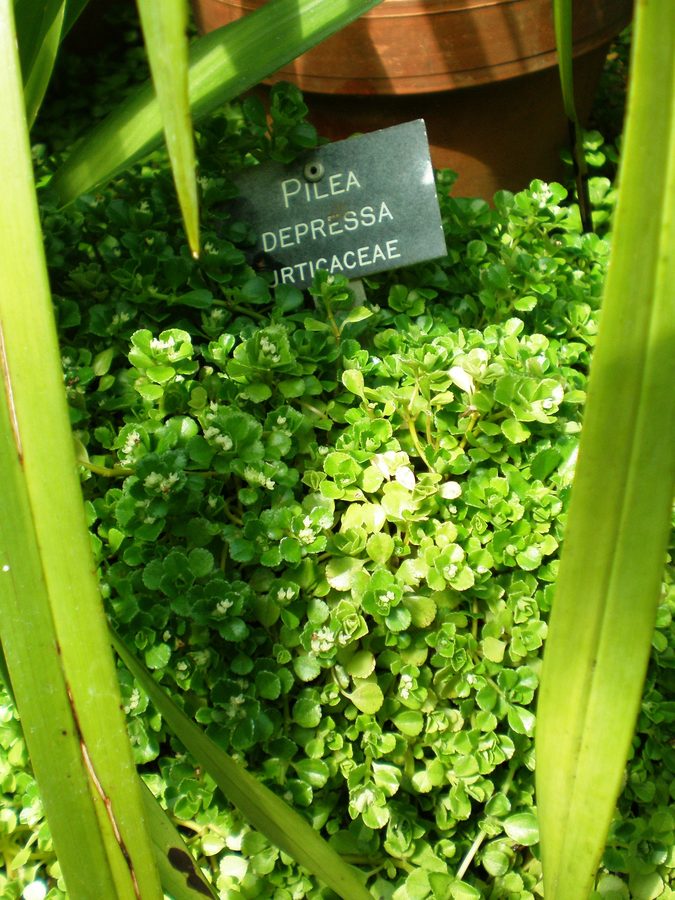
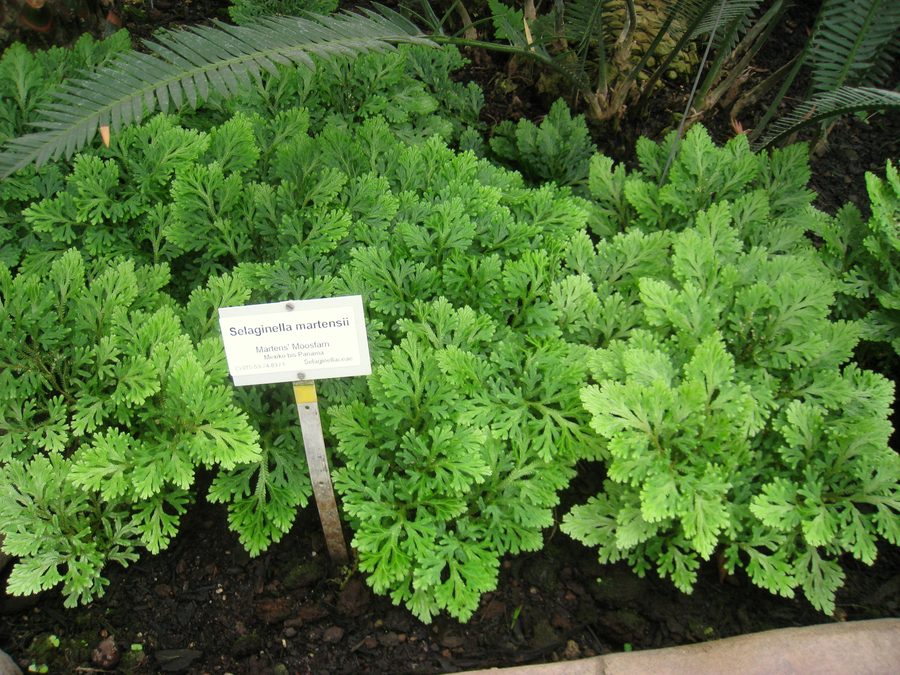
Eyelash Begonia pairs well with plants that want the same conditions, a humid, closed terrarium with bright, indirect light. Here are some species that thrive alongside it:
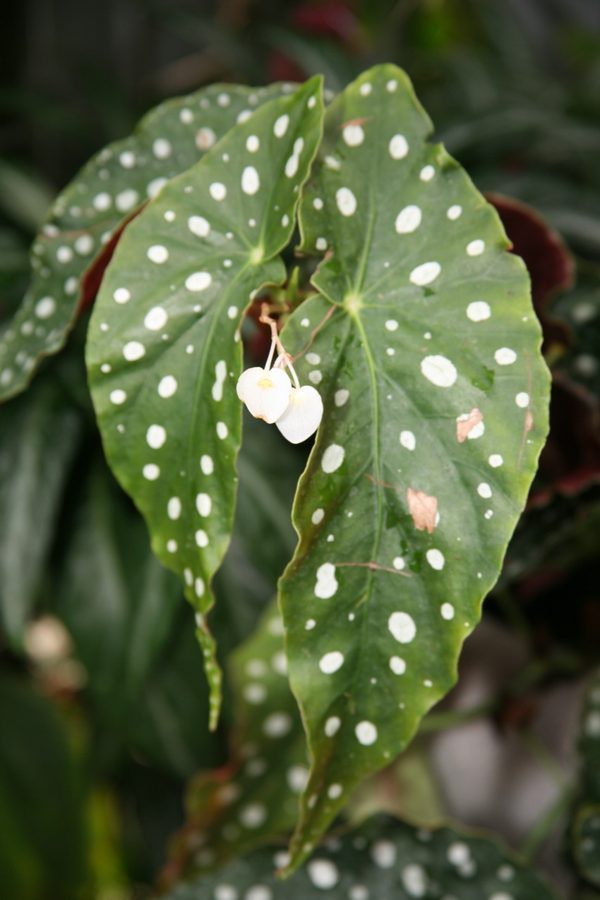
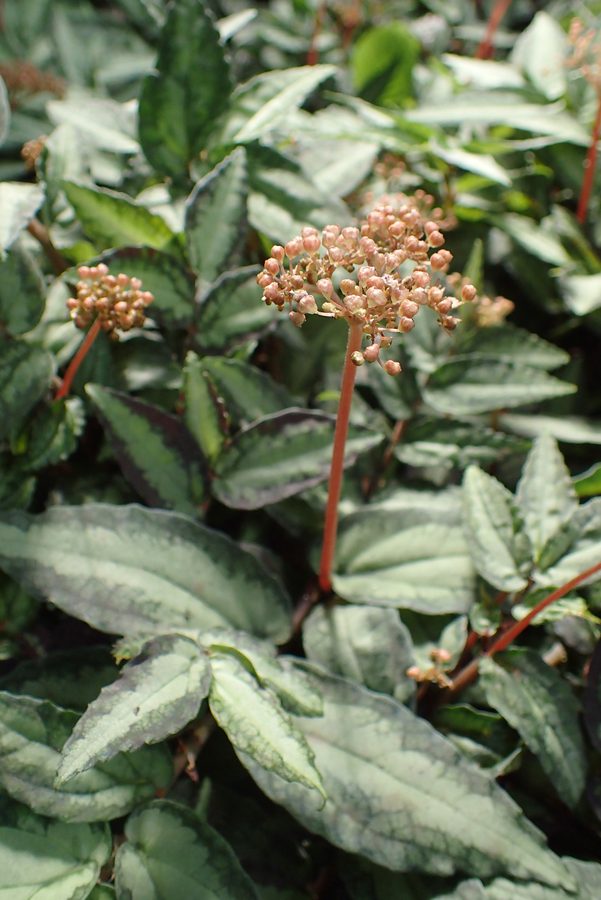
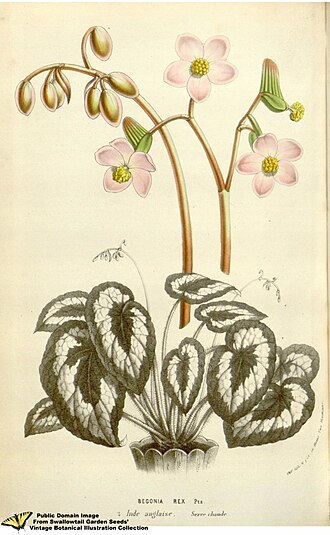
→ Explore more matches with our Plant Pairing Tool.


Frequently asked questions
Is the Eyelash Begonia good for a closed terrarium?
Yes, its compact size and love of humidity make it a great closed-terrarium plant, as long as there's a little airflow to prevent mildew.
Why is my Eyelash Begonia rotting?
Almost always overwatering. The rhizome stores water, so let the top of the substrate dry between waterings and keep the rhizome on the surface, not buried.
Care information is a general guide; conditions vary. Some links on this site are affiliate links that help support Terrarium Creations.