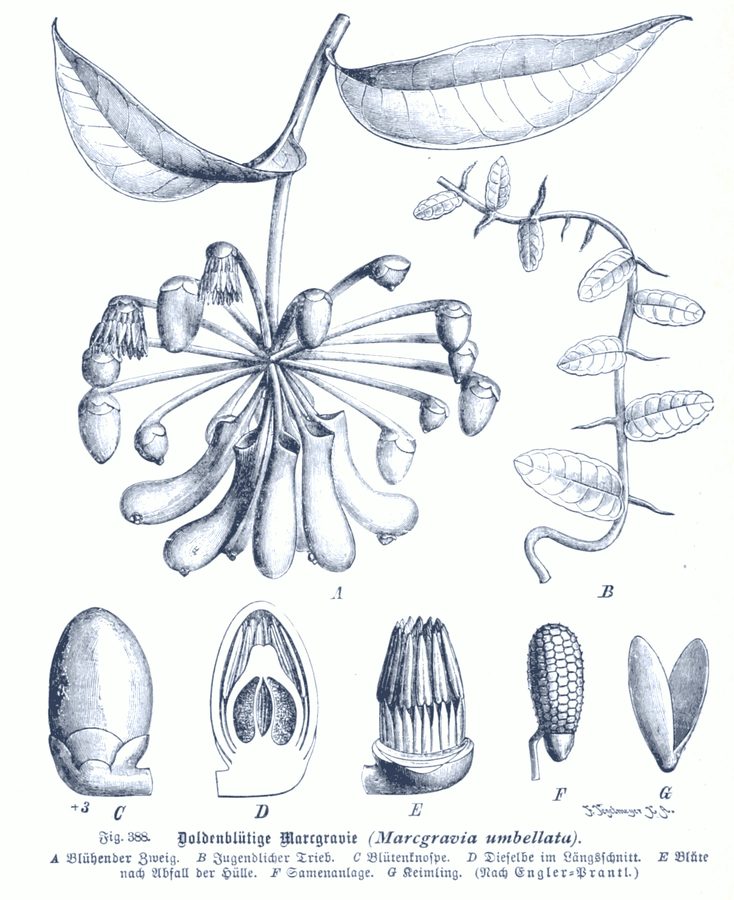
Marcgravia is the ultimate shingling vine for bioactive vivariums, its juvenile leaves press flat against a surface in overlapping 'shingles', clinging with adhesive roots to create an instantly established, jungle look.
Light
Bright, indirect light suits it; harsh direct sun scorches the foliage. Good filtered light encourages tight, attractive shingling.
Water & humidity
Keep it constantly moist and the air very humid. It draws moisture from humid air as it climbs, so misting and a damp background help it attach and shingle.
In the terrarium
A vivarium and closed-terrarium specialist. It wants 80–100% humidity but also continuous air exchange, so pair the humidity with gentle airflow. It climbs backgrounds and hardscape with adhesive roots and needs occasional pruning to stay contained.
Origin & temperature
Marcgravia is a genus of the neotropical rainforests of Central and South America, where its juvenile shoots shingle tightly up tree trunks toward the light.
Temperature: warm, 20–27 °C. Pet safety: not known to be toxic, but best kept out of reach.
Propagation
Propagate from stem cuttings pinned against a moist surface, where the adhesive roots take hold and new shingling growth begins.
Common problems
- Leaves turning transparent ('melting') = humidity shock; raise and stabilise humidity.
- Leaves lifting away, not shingling = too little humidity or contact; keep the surface damp and press cuttings flush.
Good companions
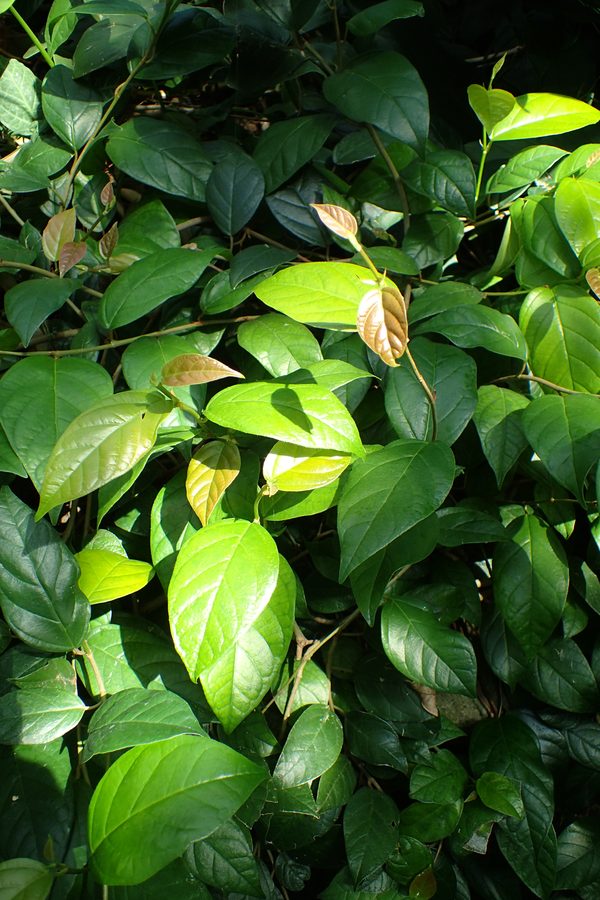
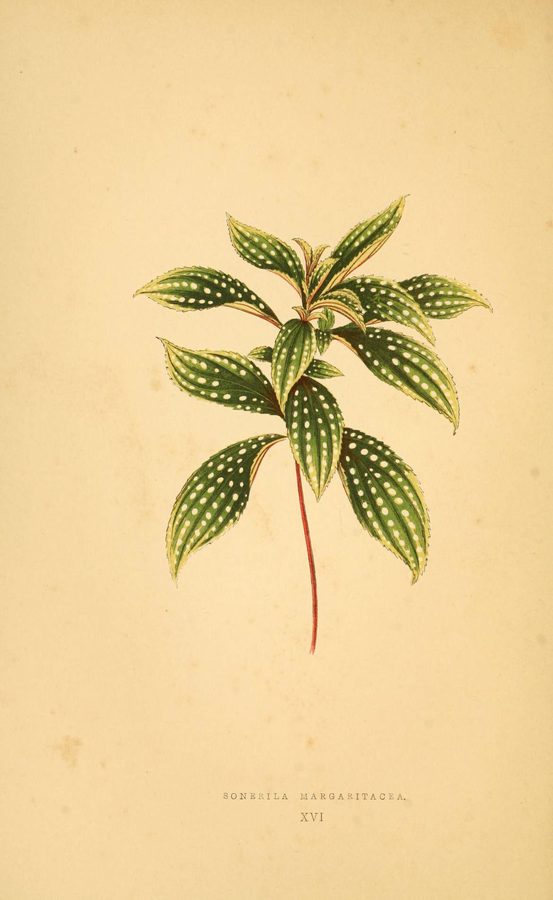
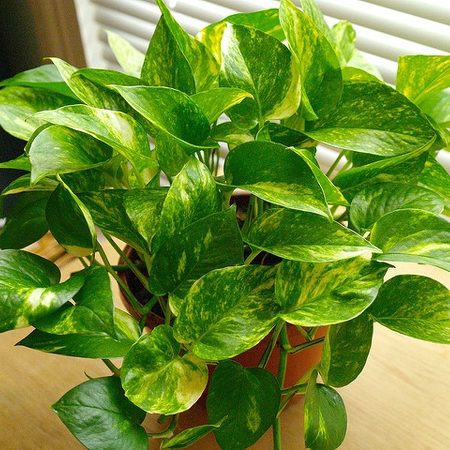
Marcgravia pairs well with plants that want the same conditions, a humid, closed terrarium with bright, indirect light. Here are some species that thrive alongside it:
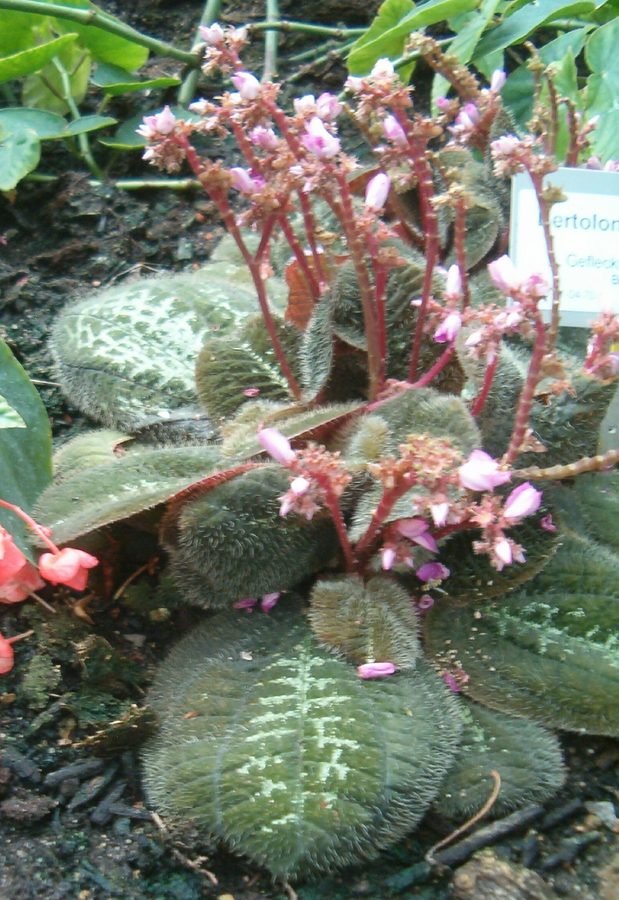
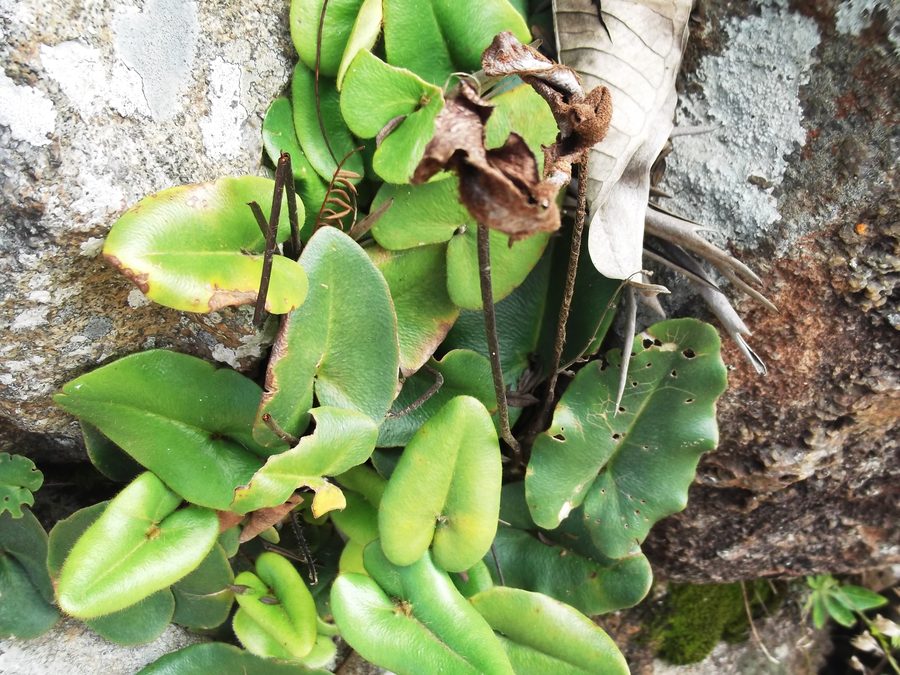
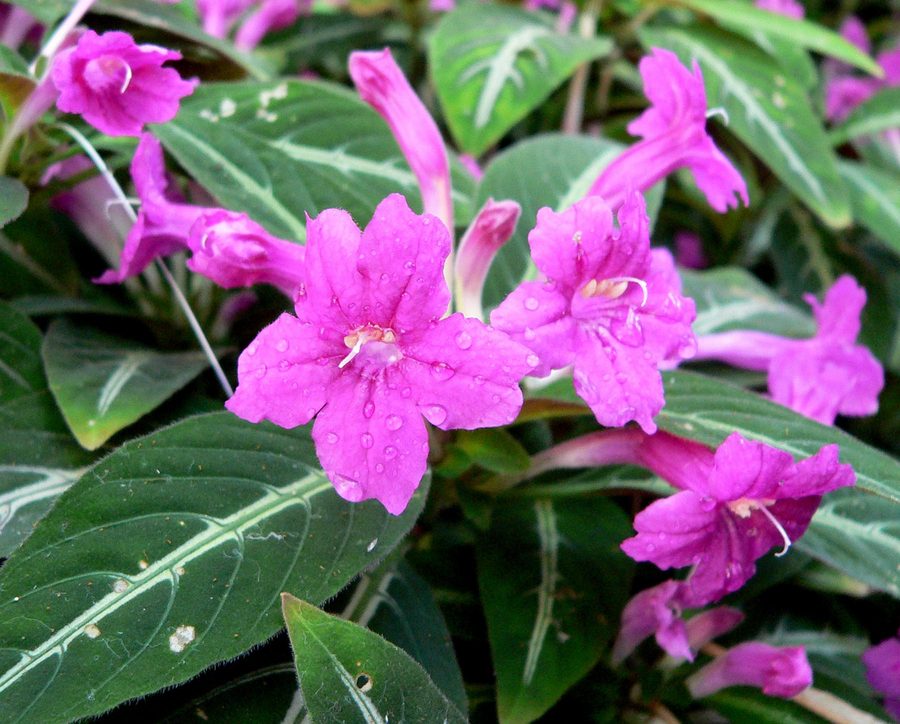
→ Explore more matches with our Plant Pairing Tool.


Frequently asked questions
What is 'shingling'?
It's the way Marcgravia's juvenile leaves lie flat and overlap tightly against a surface, like roof shingles, as the vine climbs with adhesive roots, the effect prized in vivariums.
Is Marcgravia hard to grow?
It's demanding on humidity (80–100%) with airflow, so it's best in an established bioactive vivarium or closed terrarium rather than open room air.
Care information is a general guide; conditions vary. Some links on this site are affiliate links that help support Terrarium Creations.