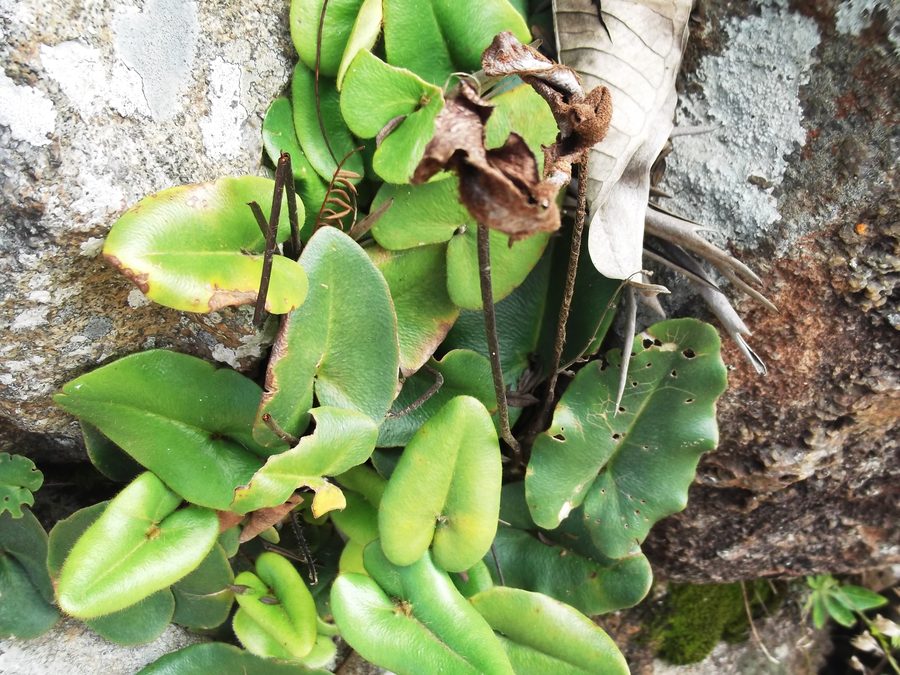
The Heart Fern is a compact tropical fern with thick, glossy, heart-shaped fronds on slender dark stems, an ideal, sculptural centrepiece for a small closed terrarium.
Light
Give it bright, indirect light from a north- or east-facing aspect. Direct sun scorches the delicate fronds, while deep shade slows it to a standstill.
Water & humidity
Keep the substrate consistently moist but never waterlogged. In the sealed humidity of a terrarium it needs watering only occasionally; let the very top of the mix approach dryness, then water. It is naturally epiphytic, so an airy, chunky mix of orchid bark, coco and perlite suits it far better than dense potting soil.
In the terrarium
This is a closed-terrarium natural. Reaching only 15–25 cm, its leathery heart-shaped leaves hold their shape in high humidity and make a tidy focal point among moss and smaller foliage.
Origin & temperature
Hemionitis arifolia is native to the tropical forests of southern India, Sri Lanka and Southeast Asia, where it grows in the warm, shaded humidity of the forest floor and on damp rocks.
Temperature: warm, roughly 18–27 °C, and never below about 13 °C. Pet safety: ferns are generally considered non-toxic to cats and dogs.
Propagation
Heart Fern is slow and tricky to divide because it grows from a single crown; the reliable route is spores, which form as dark lines on the undersides of mature fronds and can be sown onto damp, sterile substrate under cover. Patience is essential, germination is slow.
Common problems
- Browning frond edges = air too dry or direct sun; raise humidity and move out of direct light.
- Blackened crown/stems = overwatered dense soil; switch to an airy epiphyte mix and ease off water.
Good companions
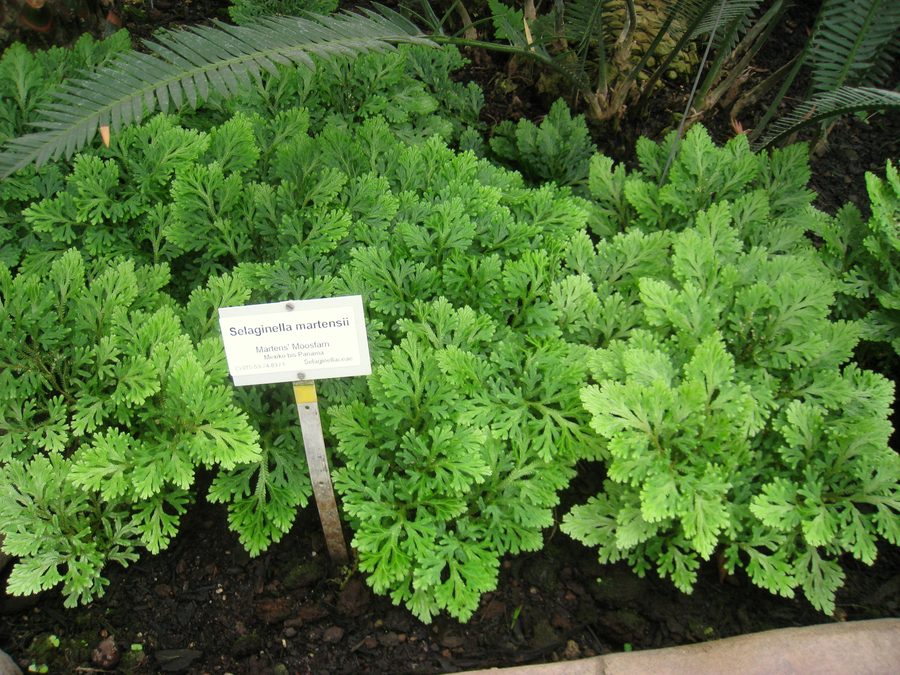
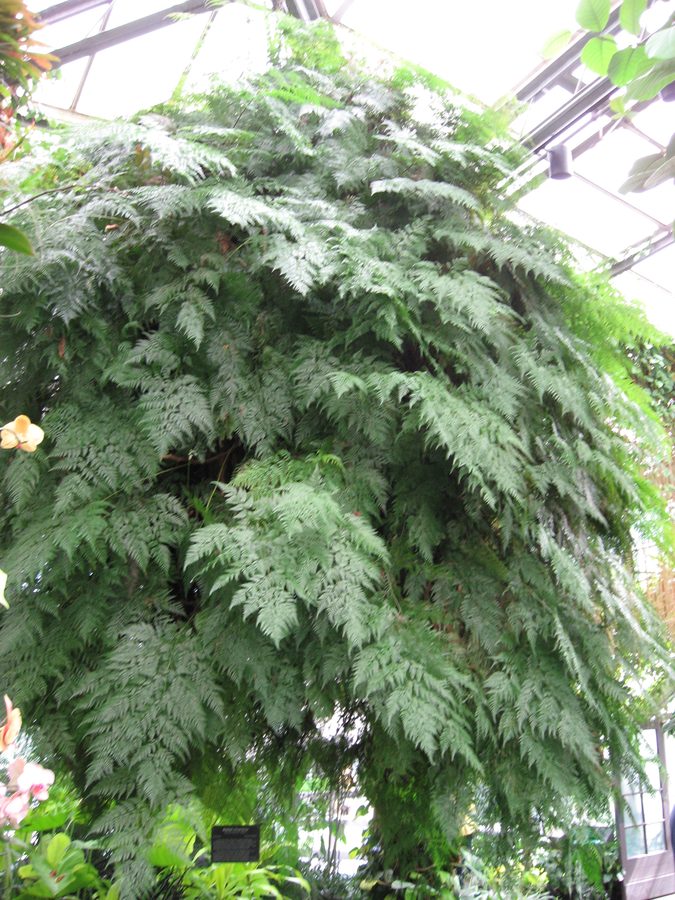
Heart Fern pairs well with plants that want the same conditions, a humid, closed terrarium with bright, indirect light. Here are some species that thrive alongside it:
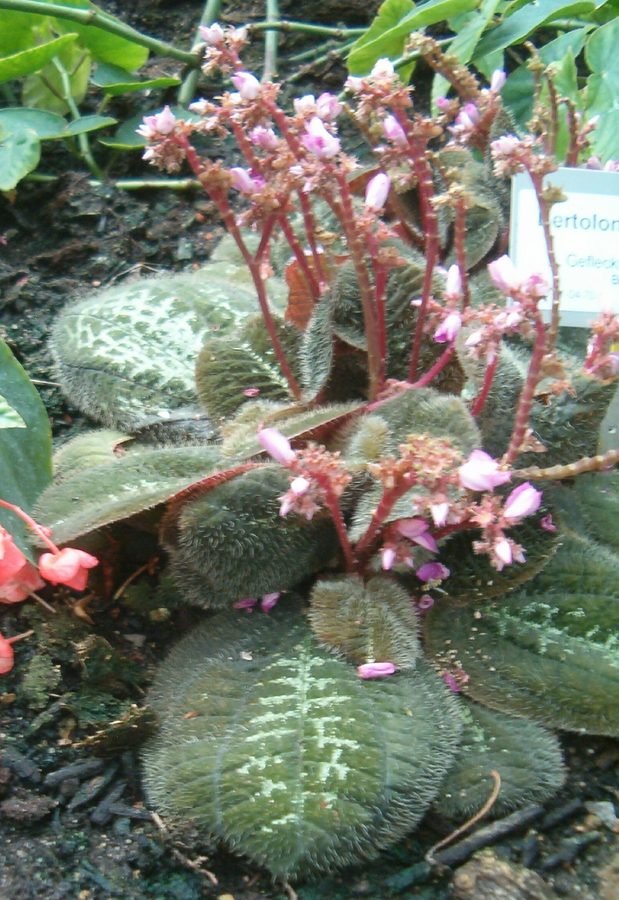
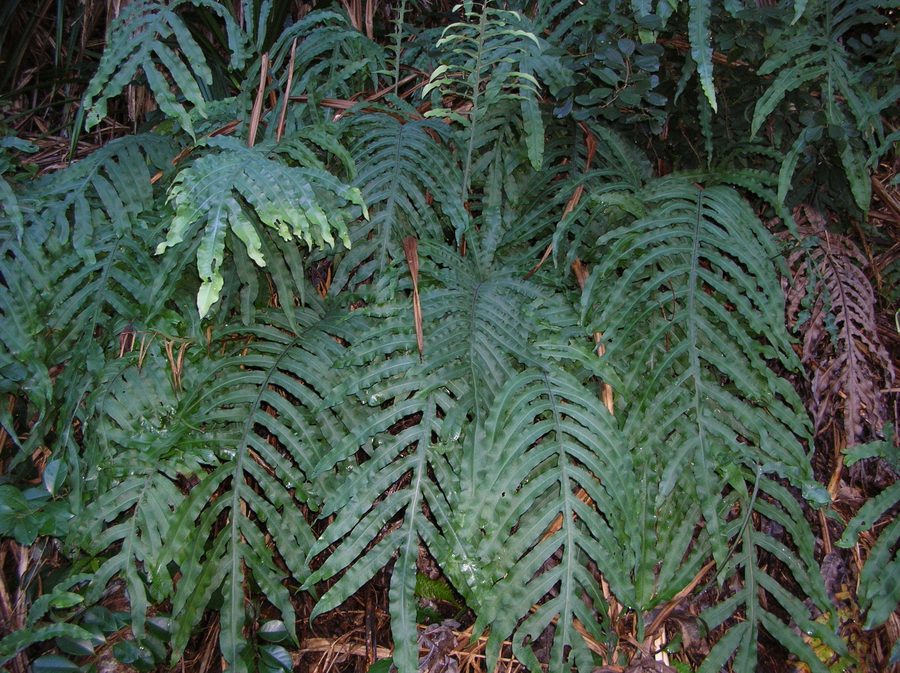
→ Explore more matches with our Plant Pairing Tool.


Frequently asked questions
Is the Heart Fern good for a closed terrarium?
Yes, it's one of the best small ferns for a closed build, thriving on the constant 60–80% humidity a sealed vessel provides.
Why are my Heart Fern's leaves going crispy?
Crispy edges almost always mean the air is too dry or it caught direct sun. Keep humidity high and give it bright but filtered light.
Care information is a general guide; conditions vary. Some links on this site are affiliate links that help support Terrarium Creations.